The Real Ebola Tragedy

A few months after the recent Ebola outbreak was declared over, I visited Guinea to work on the much bigger issue of water, sanitation and hygiene. What follows are some reflections on my experience and the start of what could be a small but powerful solution.

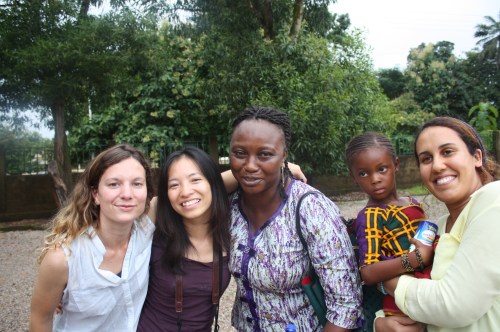
After a few days in the capital, Conakry, I spent most of my time in Guinea in the eastern region of Forecariah It’s a work trip but I’d rather call it vocational. I’m here with the same Mandela mantra that started this blog four years ago, that education is the most powerful weapon for change in the world – and it’s been great to be back in Africa!

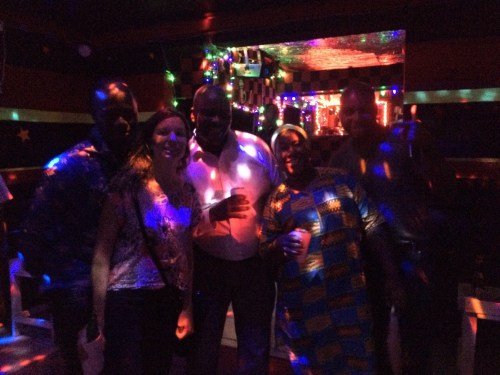
I’ve timed my visit with the start of our new WASH (Water and Sanitation Hygiene) project in Forecariah and the arrival of another visitor from Malawi, Masauko. Masauko is a fountain of WASH knowledge with over 20 years experience in the sector, he’s been a fantastic companion and I’ve learnt a lot from him. He’s also got some serious dance moves, discovered in what must be one of the world’s smallest night clubs or ‘boxes’ as the locals call them.

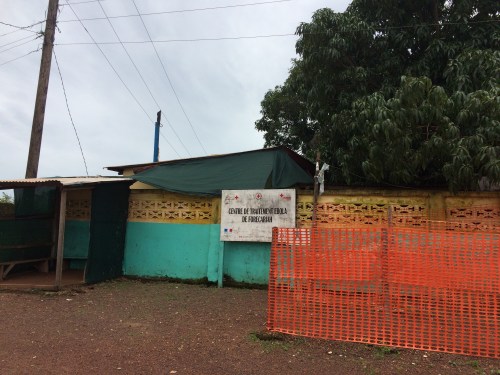
Forecariah was the hotspot of the Ebola crisis last year and our office is just around the corner from the main Ebola treatment centre. The epidemic was declared over in June and as part of the ongoing contact tracing of the virus our temperatures and contact details are taken and recorded regularly. This is a mandatory procedure for all organisations working in the area now.

We stayed in a basic hotel, but the cheapest are still relatively expensive at $25 a night. Prices inflated with the influx of NGO’s last year. Most of these have now gone and I work for one of the last few remaining.

Just to be clear, my trip and this blog is not about Ebola but it’s a great reference point for some complex issues. Whilst Ebola was a terrifying and debilitating epidemic, which was devastating for the people affected, it only affected a fraction of the population. There are 11.7 million people living in Guinea and there were 3,800 cases; that’s not even 0.001%. My work here is linked to a much bigger issue that inhibits the health and development of 80% of the population: water and sanitation. Lack of clean water and improved sanitation (or proper toilets that stop disease spreading) are responsible for hundreds of preventable deaths every day. Compared to Ebola, the numbers are colossal at 42,000 deaths from diarrhoeal diseases a year. Inadequate water, sanitation and access to basic health care are the reason Ebola spread as far as it did. It was the cause of the Cholera epidemics here in 2007 & 2012 and why alarm bells are ringing as another outbreak spreads across West Africa. Ebola, Cholera and the thousands of preventable deaths are symptoms of the much bigger problem, poverty.

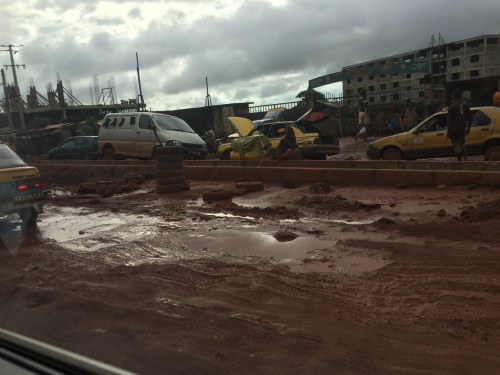
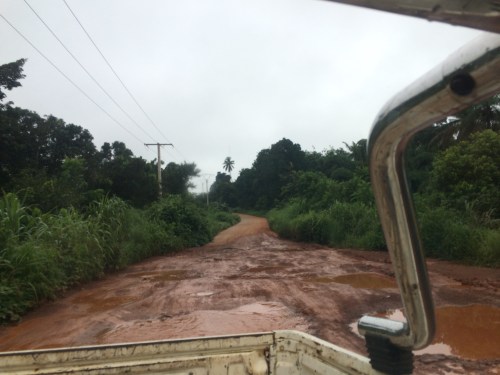
Now I don’t like to use this language, you’ll never hear me say ‘poor people’, but economically speaking Guinea is the eighth poorest country in the world. Seventy percent of people here live on less than $3 dollars a day and food, travel and medicine is expensive. I caught a nasty infection and the antibiotics and painkillers cost $20 – that’s over a week’s wages for most people. If you travel around the country you will find little infrastructure. The road from Conakry to Forecarhia is the only link road to Sierra Leone and it’s falling apart. It stops and starts for what feels like forever. In some places its barely passable with a 4×4 and the local bush taxis constantly break down. I took a trip to the rainforest in the northeast over a weekend and the roads were no better. What should have been a seven hour drive took fourteen with the traffic, rain and the disappearing roads. I still didn’t complain. The breathtaking views en route and our trek into the beautiful unspoilt rainforest with cascading waterfalls and wildlife more than made up for it. It also reminded me of how incredibly rich this country is, and could be. But like many countries in Africa, the richer in resources the poorer the people; I’m told that Guinea has half of the world’s bauxite reserves, crucial in aluminum production. In Chad and Niger it’s uranium and in the Democratic Republic of Congo you can take your pick of the $24trillion reserves of gold, copper, diamonds, coltan and cobalt – the mineral that makes our phones smart.

Guinea has huge potential, you can see it in the entrepreneurial spirit of the boys rebuilding the road asking for donations, but if the world wants it’s resources they must support it in its development. Ebola illustrated how quickly Guinean problems could become the rest of the world’s. The virus started in Guinea, spread across 6 countries and claimed 11,315 lives as far as the US, Spain and Germany. The UN issued an international health emergency warning and funds flooded into the region. In my opinion these came too late and left too soon, we were talking about Ebola in the office months before it hit the headlines.

Overseas aid is often justified through Western interests. As countries develop so do their peoples jobs and prospects, this can curb migration and reduce the rise of extremism and terrorist threats. International development certainly is in the worlds interests but in a globalised, post colonial world it should go much deeper than that. Development should be a global, shared responsibility which is long term and sustainable. Not an emergency sticking plaster.

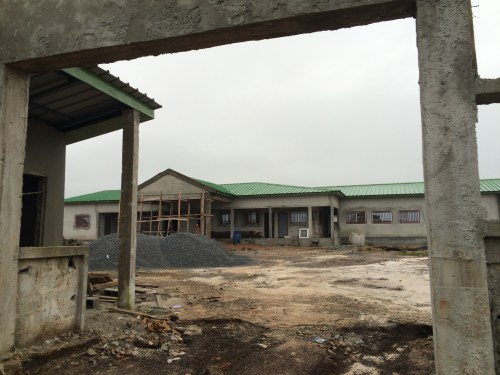
In the wake of Ebola, the real tragedy is that once the epidemic and international alert was over the funds dried up and almost everyone left. In Forecariah I walked past the construction site of the new hospital every day and I could count the laborers on one hand, their equipment on the other. They have wheelbarrows and shovels and after a years work it is still only a shell. If Ebola hit again they would have built little resilience.

Whilst I’m told that there is more global interest for Guinea post Ebola, the development here is still very low. It’s long been one of the hardest countries for us to fundraise for, possibly because it’s one of the ‘poorest’ and most challenging places in the world and donors prefer to see a shorter return on investment. But whilst the sustainable development road here is long, especially with the traffic and potholes, it’s the only real and lasting solution to problems like Ebola.

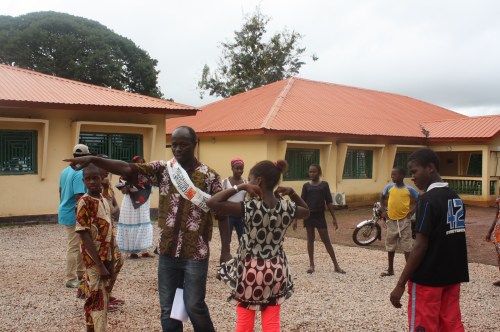
The purpose of my trip has been to look at longer-term health solutions, but through education. I’ve been fortunate to work with Tra, a very passionate and committed young women and our WASH programme manager. Tra and I have been Skyping for months and after a series of focus groups with teachers and children we have developed and tested a innovative new toolkit of educational games and activities designed to educate children on good hygiene practices and why hand-washing with soap is the only way to stop germs and disease spreading. It’s simple but critical stuff.

During Ebola cultural practices of sharing water to wash hands before eating and poor knowledge of disease transmission combined with a bombardment of hygiene propaganda (I’ve seen posters and stickers everywhere), lead to confusion and panic. People were scared, a few fatally drank chlorine to protect themselves and some NGO’s spreading hygiene promotion messages were chased away from villages.

The purpose of our project is to educate children on these critical issues so they grow up understanding how to protect themselves in the future. Prevention is better than cure. Crucially our activities are fun, memorable and designed so that children learn for themselves and really understand the importance of good hygiene practices. Simply telling children to wash their hands with soap, through posters or any other media, is pointless if they don’t understand why.

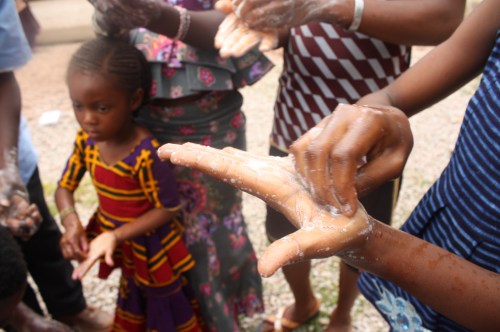
I’ve faced the same challenges in Guinea that I did in Tanzania. Teachers are incredibly stretched, lack resources in over crowded classrooms and rote learning is the go to; children are taught the answers to questions instead of thinking for themselves. But this doesn’t lead to learning. Our games are structured around a special ‘Hygiene Heroes’ mission where children develop their super power of knowledge to protect themselves, their friends and their community against the evil enemy, germs! These are illustrated with glitter and children clearly see that only soap will make the glitter (germs) disappear!

We’ve also created a WASH version of ‘the name game’ but instead of famous people its good hygiene practices – lots of fun and great for communication and quick thinking skills too! At the end children are tasked with a special mission to spread their knowledge as far as they can.

So far we’ve had great feedback from both teachers and children on both concept and activities and started encouraging conversations with UNICEF in Guinea. Teachers quoted proverbs on the importance of education, were pleased that the practical, visual activities would work for illiterate children and told us they’d use some of the teaching methods themselves – win! The children’s response can be summarised in the group photo taken afterwards. It is the best and one of the proudest photo’s I’ve ever taken.

With the easy part over, we need to find funds. Despite Ebola, there is hardly any WASH work going on in schools in Forecariah, most of which do not have water and toilets. Whilst our efforts seem small in comparison to the issues outlined above, our ambition is that the next time an epidemic hits Guinea the first line of defence will be education.

focu-group

Pre project focus groups with teachers and children.
developing-resources

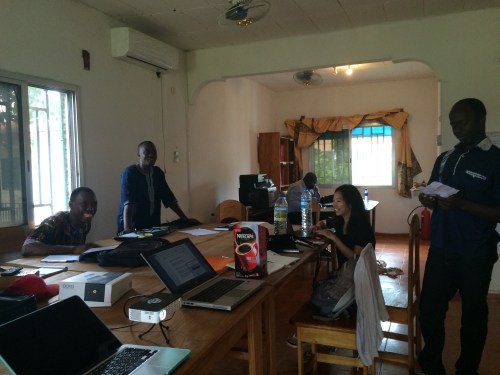
Developing resources with the team

glitter

Glitter handwashing demo

handwashing-2

Hand washing demonstration 

hygiene-games

road2

A main road in Conakry

road

The Road to Forecariah

tra-and-denab-fatima

Tra and I with colleagues Djeinabou & Fatima
me-and-masauko

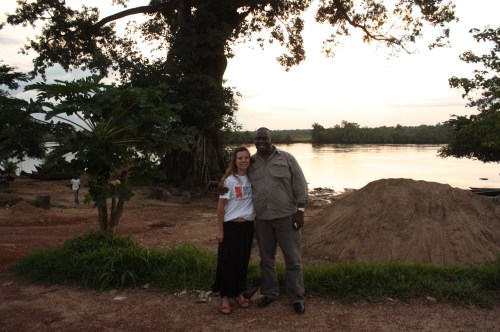
Massauko and Me

box

The smallest nightclub in the world. 

ebola-treatmemt

The Ebola Treatment Centre

hotspital-1

The Local Hospital

singing-to-the-sea

This guy!  Singing his heart out to the sea!
trekking

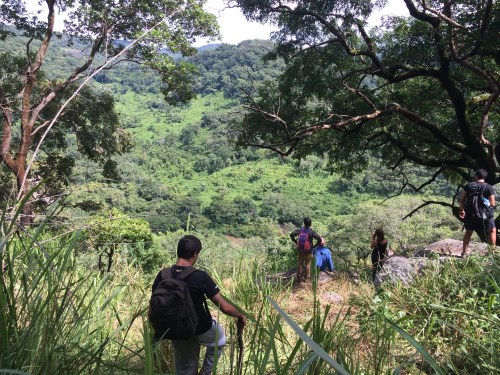
Trekking in the rainforest near Mamou
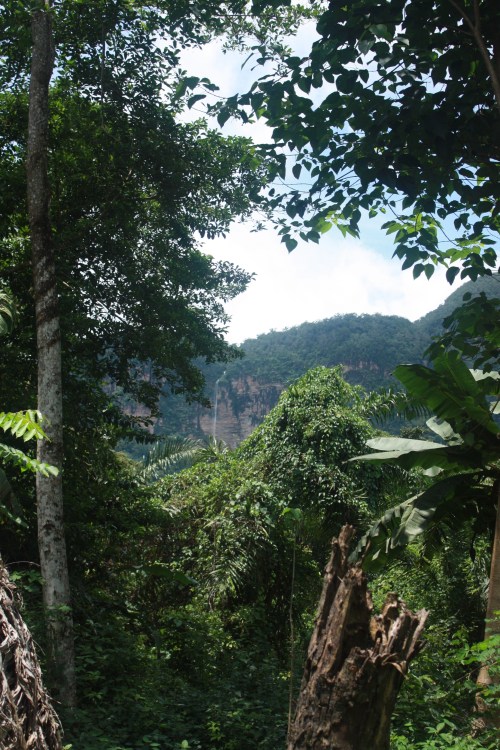
waterfall

One of the many beautiful waterfalls.
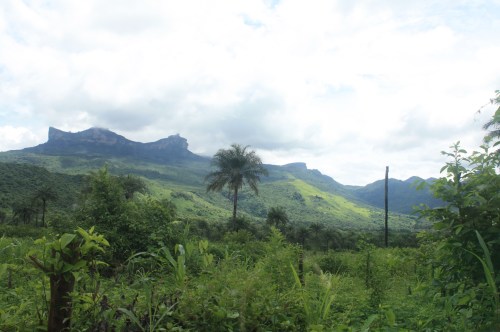
scene

Rich and fertile lands.
Leave a comment

Filed under Uncategorized

To understand is to invent

‘Affirming the right of all human beings to education is to take on a far greater responsibility than simply to assure to each one reading, writing, and arithmatic capabilities; it is to guarantee fairly to each child the entire development of his mental faculties and the acquisition of knowledge and of ethical values corresponding to the exercise of these faculties until adaptation to actual social life. Moreover, it is to assume the obligation- keeping in mind the aptitudes and constitution that each person possesses-of not destroying or spoil- ing those possibilities that he may have that would benefit society first of all, or of allowing the loss of important abilities, or the smothering of other’s ‘

1973

1 Comment

Filed under Uncategorized

In the beginning I thought this was just an art lesson, but actually… it’s a life skill.

Read on for the exciting evaluation interview with the parents of Ibra and Irene from Kibo primary school.

Participants:

R A Msasu, Business Man from Moshi Town, Ibra’s Father

Jane Michevel – Street vendor, Majengo, Irene’s Mother

 Anouk Galle  – Education Partnerships Manager, Childreach International

Emanuel Ringo – My School, My Voice Coodinator, Childreach International Tanzania


Anouk: Good afternoon, we have invited you here today to ask you some questions regarding the Making Art, Making Me project which Jo has thoroughly enjoyed working on with Irene and Ibrahimu,

Some discussion starts as Ema explains a little about the project, Jane is interested to know what we have been doing and asks if is the same way that the teachers normally teach, or more involvement

Anouk: It seems you already know a little about the project, what has Irene mentioned about the workshops?

J.M  Everyday she has been telling stories about what has been going over the last two months. In this time she has changed and upgraded herself. Her manners have improved, she has become more focussed with better behaviour. She has lost her stubbornness and she is now taking care of her things. She isn’t  loosing things and keeping things close to her. She’s also been drawing in her exercise books and painting.

Anouk: Has Ibra been talking about the project and what kind of things has he been saying?

R.M: Yes, when this project started again he came up to tell me about it which is using drama and drawing.  He really likes this, he even invited me to attend the exhibition but I couldn’t because of work.

Anouk: Have you noticed any change in Ibra since Jan/Feb?

R.M: Yes, he has changed a lot, he likes to read and look at story books and watching story telling on the TV. He also would love one day to learn to write his own stories, to be an author, writing his own books. He’s said all this since the project started .

Anouk: And what about Irene?

J.M: Laughter.   Irene would now like to be teacher. Before the project started Irene didn’t even like school, now she loves it and is telling me that we are late in the mornings and that it is time to get to school!  During the evenings she is now late getting back from school, not because she is being stubborn but because she reads in the afternoon.  Another change is that on Sundays she goes to bible school, she never used to go.  She is now attaining other lessons in church and goes for afternoon reading. On Saturdays she goes to do group work with friends.  She is concentrating more on her achievements rather than going outside to play, when friends come she tells them she has things to do.
Anouk:  The project uses Art to engage with the children, what do you think about Art, do you think it has a use or a purpose?

R.M:   The children are able to identify themselves through art, to me this is what art is about, a way to deliver information to others.  Even if a person can’t hear at least he can see and understand the full picture from art.  I stress the point that if art is to be used then is can be adapted so that when they grow it becomes a benefit, like a life passage. In the beginning I thought this was just a art lesson but actually this is a life skill which they can aspire to in the future. I can see that the skills learnt in  this project can be applied to other areas in their lives.

Anouk: What about applying it to different subjects?

R.M: It would be good because they become better informed through practical work.

J.M; Its a good thing because its practical and theory. Practical is better than other ways of teaching, so if it can be applicable to other subject then great.

A.G: Have they heard Ibra or Irene express any new concepts, words or ideas that thy hadn’t heard before?

J.M/ R.M: Both children watch the television and some of the words that come up on the TV they try to translate. They have a better understanding of English and now Irene wants her mother to buy her a dictionary.  So even if she guesses a word from the TV she wants to check it out and tell the rest of the family.

Anouk: Have either of the children mentioned anything about child rights or what they made their pictures about.

J.M: – Irene has been collecting the children together to teach them about things. I will often find them together but as a single mother I don’t have time to sit and listen. When Irene comes home and is asking why this and that about rights, I know that this new knowledge and information is helping her.

R.M: Yes, since the start of the project Ibra has been registered at the National Kilimanjaro library office where he is going to pick up books about child rights.  Ibra wants to have his own permanent book shelf where he can keep his own books and materials!

J.M: Are you asking all of these questions because of the project or is it because of the children?

Anouk: This is what were trying to find out, we’ve being doing the project for three months and can see the children changing positively and we need to find out if this is because of the project, if so it means we want to see if other people want to get involved for the future.

J.M: And what methodology did you used to bring this change? Whatever it is I think you should keep it there because my daughter has changed so much.

Anouk: Its also important to us to ask the teachers, parents or anyone else important to the children to see what’s changed and if you can give us further feedback or ideas. We need to know if the children are happy, if it is positive, or whether they are they running back to you saying ‘oh my ‘ do we really have to do this again! The evaluation is so we can continue with the project in the best way possible.

J.M: -In two months I haven’t  been called into school nor heard bad words from the teachers about Irene. And she has started taking care of her belongings.

A.G: Does this mean before was she hearing bad reports from the school?

J.M: Yes yes, I was getting mad, it was frequent.  Even at home when friends came to visit she was shy to greet but now she is more open and is greeting people.I must stress that when I see a negative thing I think it is better to say and speak it out rather to just talk to get something out of it.  So if I’ve seen that truly Irene did or did not change I am telling the truth. She really did change and there is no need to lie.

Emanuel explains about the project, presentations/ drawing styles etc  ideas/ one minute drawings and presenting them

J.M: They must of been very attentive as we only came for one day of a week, to change a child for only one day a week/ and only 2 or three hours a lesson, it is a big thing. The child keeps it in their mind that next week these people will come again,  how are they going to look at me, my belongings, my ideas an things. this child is always attentive of what to do and what tod o next. its actually changed them.

Anouk: Do you want to know a little about how we worked in the project with the children?

J.M. Yes I would like to know about how we did, the methodology  but its more about what I’ve seen through my daughter. I would like to know more about how the project plans to continue.

Anouk: So that’s what were doing here today, to see how we an continue building these skills. One of the big differences between the children in the project and children in other classes is that there are fewer children. This isn’t always possible in other classes where there might be 30/40/50 children.

J.M:  How were the children selected?

Anouk: Randomly.

J.M: So the method is different which is very good, I think that in the selected 20 a lot of them were stubborn. It seems like the teachers have chosen the most difficult children of all the classes, they have changed so that is a positive thing.

There are some children that will not change, even if you beat them today, tomorrow they will do the same thing.  What the difference is that you gave them directions without beating, in a softer manner not rough, with sticks or harsh talk.  This  has meant that the children are now trying to identifying themselves as now I am the one who is wrong. Even if when they go home they will think that its is not my mother or father who is doing wrong to me, it is myself doing the wrong thing.  Because in the class these people are teaching me this different way and I am learning and they are very close to me, why should I go back home and do these bad things, so its me who is bad, so I have to change. I think that’s why the children have been able to change, its more comforting and they came to like the lesson.

Anouk: Thats amazing to here, lots of fantastic information.  The project wasn’t just about making the artwork, work in groups in groups and presenting their artwork was just as important.

J.M:  So it was like a process, that’s why Irene is saying she wants to be  a teacher!


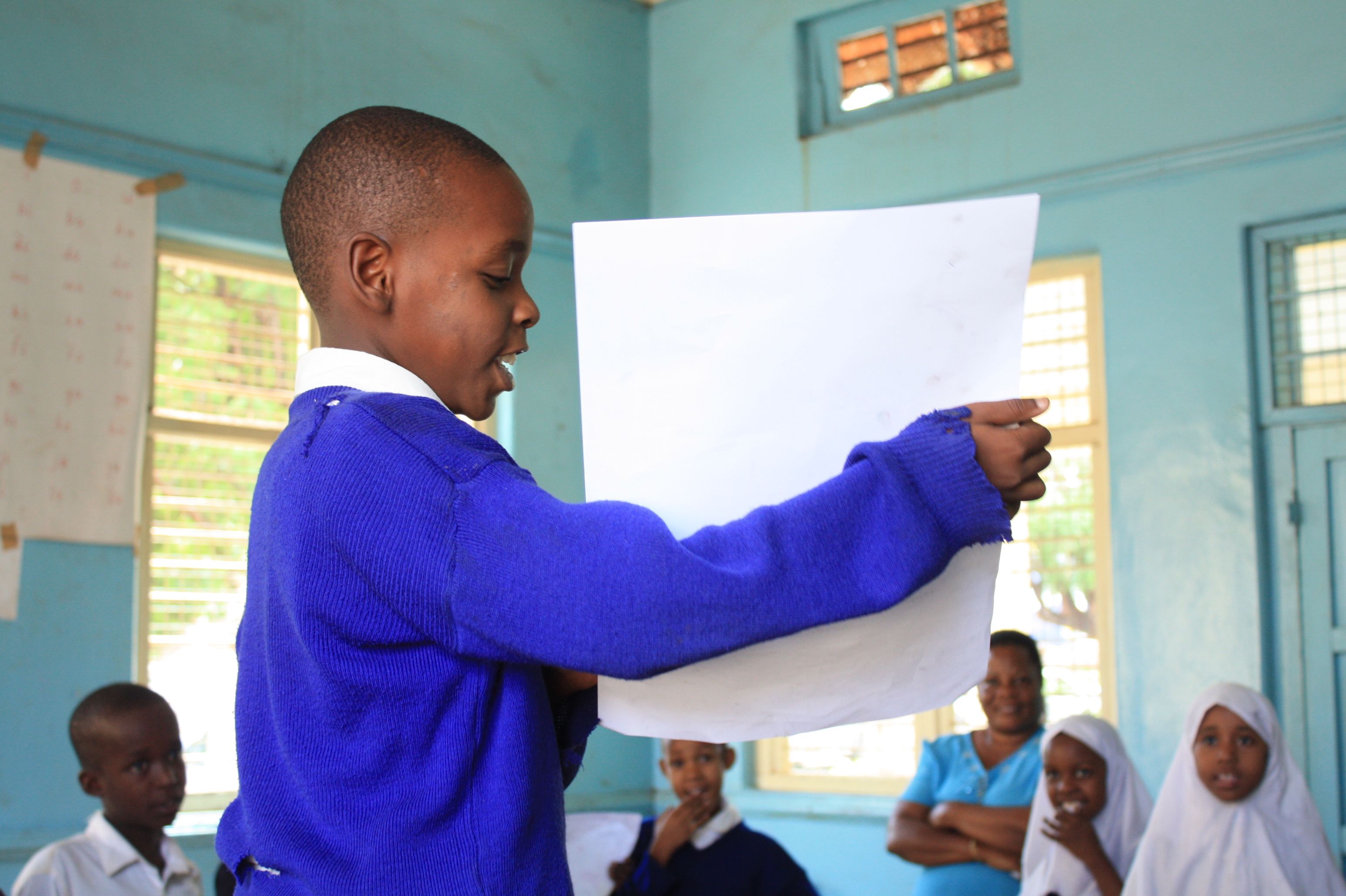
Ibra is pictured here presenting his artwork to his peers and I cant hep but notice the big smile on his teachers face!


Leave a comment

Filed under Uncategorized

Making Art and Development

(Entry for the Guardian International Development Journalism Competition)

Creativity Could be the Greatest Influence for Change in the Developing World

‘My opinion is important, if something bad was to happen I can use it to make things better’ (Ibrahimu 9yrs Making Art, Making Me, Moshi Rural, Tanzania, 2012)

Ibrahimu is one of 60 children currently participating in a creative learning project, Making Art, Making Me, supported by Childreach International in Tanzania. In the project children are practically and creatively learning about identity, whilst building life skills and confidence.  What Ibrihimu doesn’t realise yet, is that his generation’s opinions and ability to make things better are crucial if Tanzania is to achieve the MDG targets by 2015, and become active participants in the global developments of the twenty-first century, outlined in its 2025 development vision.

Nelson Mandela once said that education is the most powerful tool for change in the developing world and thus, universal primary education is high up on the international agenda for development. The East African community is proud to be on target for achieving this and at the turn of the 21st century, Kenya, Uganda and Tanzania all pulled the plug on fees and declared ‘free’ primary education for all of those who can afford the annual contributions. In Tanzania, parents can expect to pay the equivalent of nearly £60 a year, which is a substantial amount for those living below the poverty line. This money could feed a rural family of five for up to six months.

After primary education became free in 2001 schools were inundated with children and Tanzanian net enrolment rates soared from 80.7% in 2002 to an impressive 97.7% by 2008 (TZ MDG Progress Report). This looks remarkable on paper, but the reality is that this is purely a statistic, an impressive figure that shows that there is the desire to learn in Tanzania. The net enrolment rate tells us nothing about the quality of education: how are we to know whether these children are being equipped with the knowledge and skills necessary to meet the development challenges of the future?  A worrying report published by Uwezo finds very evident discrepancies between the number of children enrolled in school and those who leave without basic competencies in numeracy and literacy. Tanzania had some of the worst results in east Africa, where a disturbing 32% of children in the last year of primary school at Standard 7 (14-15yrs), failed to perform simple numeracy tasks expected at Standard 2 (7-8yrs).  This trend was also seen in Kiswahili and English results, which begs the question, why aren’t these children learning?

Tanzania’s Development Vision (2025) recognises the need for reform. It calls for the education system to be restructured and transformed qualitatively. It also promotes creativity and problem solving as necessary classroom skills for development. Things are changing, but pole pole (slowly slowly) as the Tanzanians say, with the last curriculum alteration in 2011. However, these changes are made at Ministerial level and often neglect fundamental practicalities such as, how can teachers effectively teach the new communication curriculum without electricity and computers?  As a result new subjects are taught theoretically.

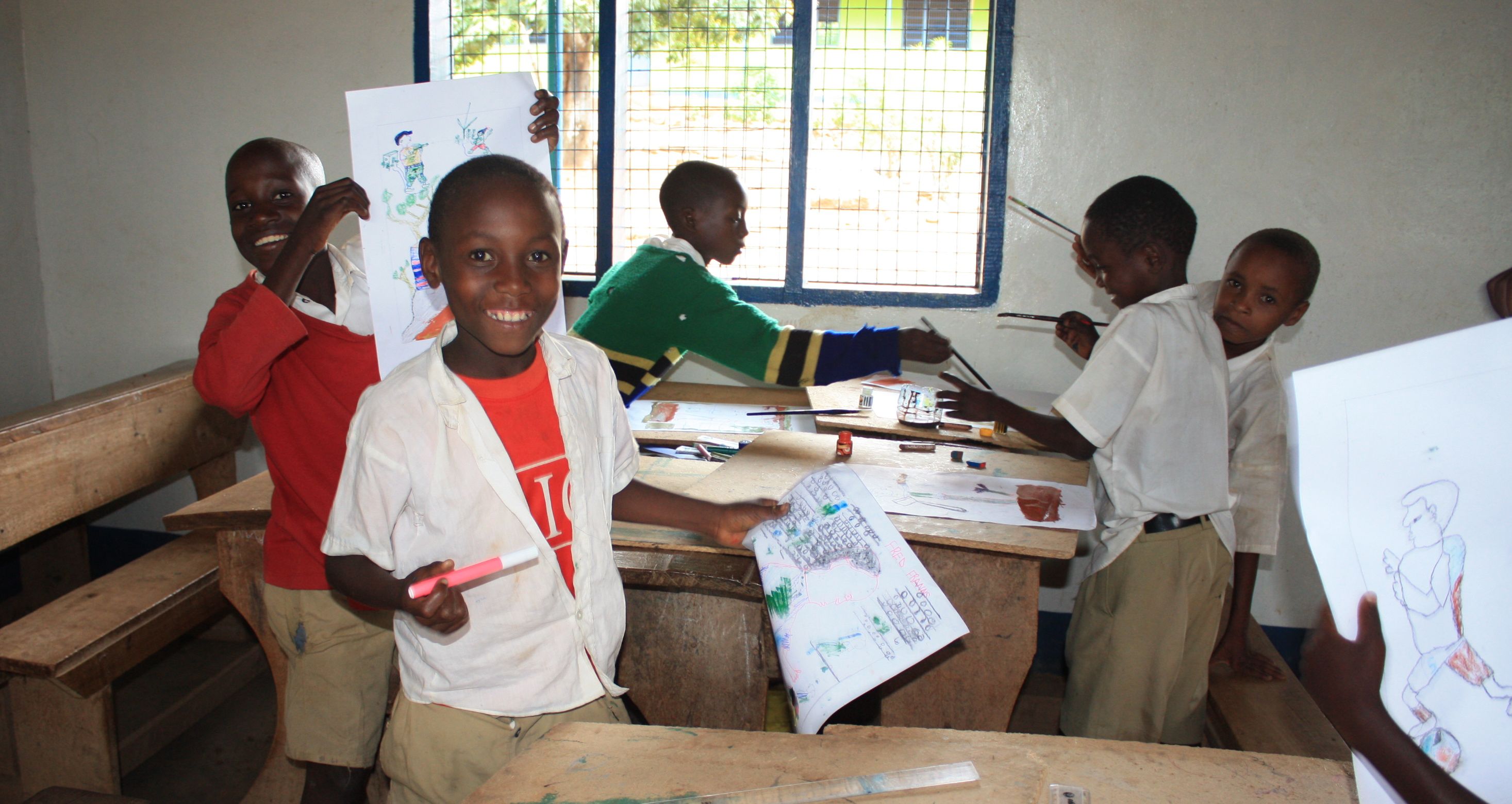
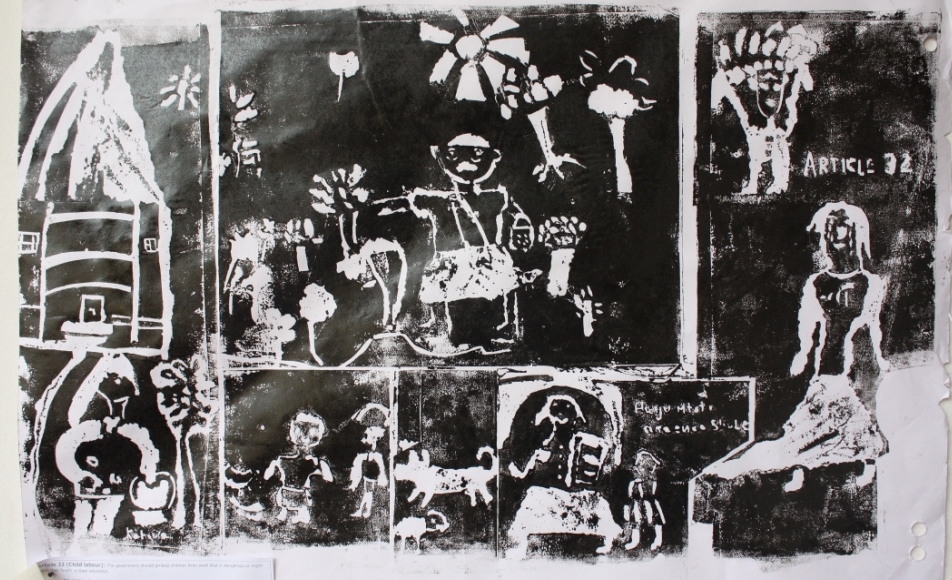
These curriculum changes are not enough to address the immediate damage done to the current key stakeholders of education, Tanzania’s children and future generations. Childreach International is currently tackling this problem hands on in the Kilimanjaro region of Tanzania and on the 4th of May they will be exhibiting a diverse array of art work produced during the innovative project ‘Making Art, Making Me’ in Moshi, Tanzania. Here children have been participating in weekly creative workshops in which they have built and shared ideas about their personal, local and global identity. Using a non-formal approach they will demonstrate to the District Education Officers and local teachers how problem solving and creativity can be resourcefully integrated into the curriculum. The project has aimed to develop key life skills, whilst building self-confidence.  It has also aimed to assist students with gaining a critical understanding of their identity through arts, drama and collaborative work.  The work shown will demonstrate how this approach can have an immediate and lasting impact on children, many of whom had previously struggled to present in front of a class and failed to see how they could communicate problems through the arts. These children have since been able to articulately explain their work which ranges from identifying important elements of a community, such as working together, environmental protection and support networks. Another group of girls from a school in rural Moshi have produced prints which identify their child rights and responsibilities. Here the artwork made calls upon children to refuse work for low wages (100Tsh/ 4pence to pick 1 kilo of coffee over many hours) on a multinational ‘fair-trade’ coffee company, and encourages the community to educate parents and children alike about their rights.

If education really is the greatest tool for change in the developing world and is to encourage a positive influence on social, political and cultural practice, then education must include social, political and cultural thinking.  In just three months Making Art, Making Me has demonstrated how a little innovation and creativity can go a long way. Using art, drama and communication (a fundamental principle) they have stimulated critical, enquiry based learning in children which have spanned all of the above topics. When presenting a collage  to the class, which identified important factors in a community, the group of four girls pointed out a photograph of children cramped in a class room, many sat on the floor.  They went on to explain that the government needs to invest more money in schools as communities can only grow and support each other with proper education. It is clear that these class discussions and group work has developed crucial skills and knowledge enabling them to articulate their needs and identify their solutions.

If after just three months these children are able to stand up and question multinational organisations and call upon their government for change on education policy, imagine what could be achieved if Tanzania really does reform its education system qualitatively?  With all this in mind, creative education really could be the greatest influence for change in the developing world and help to equip Tanzania to eradicate extreme poverty, hunger and solve future development challenges.

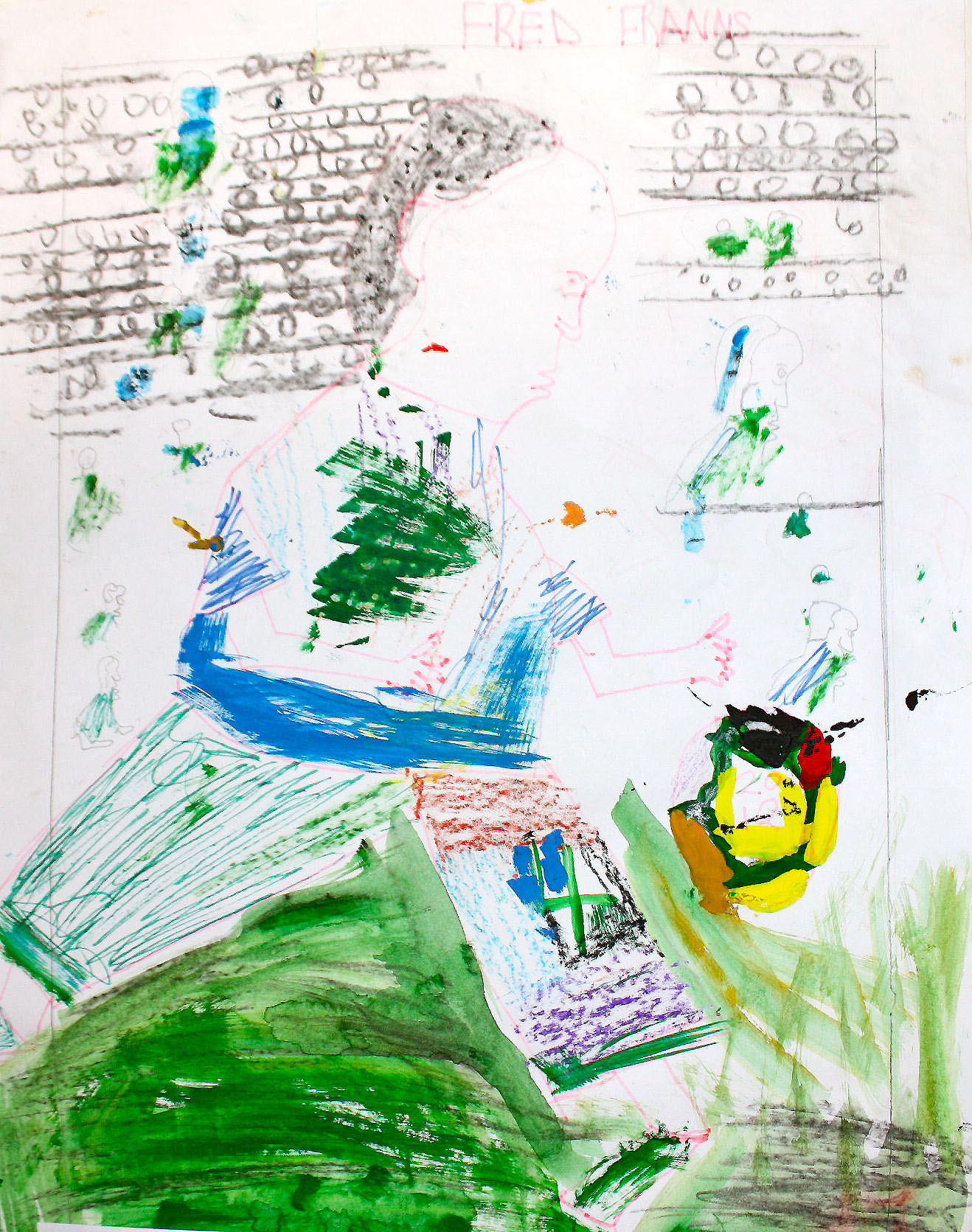
Photograph taken from the evaluation activity – How does Making Art, Making Me make you feel?

Leave a comment

Filed under Tanzanian Developent Vision 2025, The Millenium Development Goals (MDG)

Looking to the Future

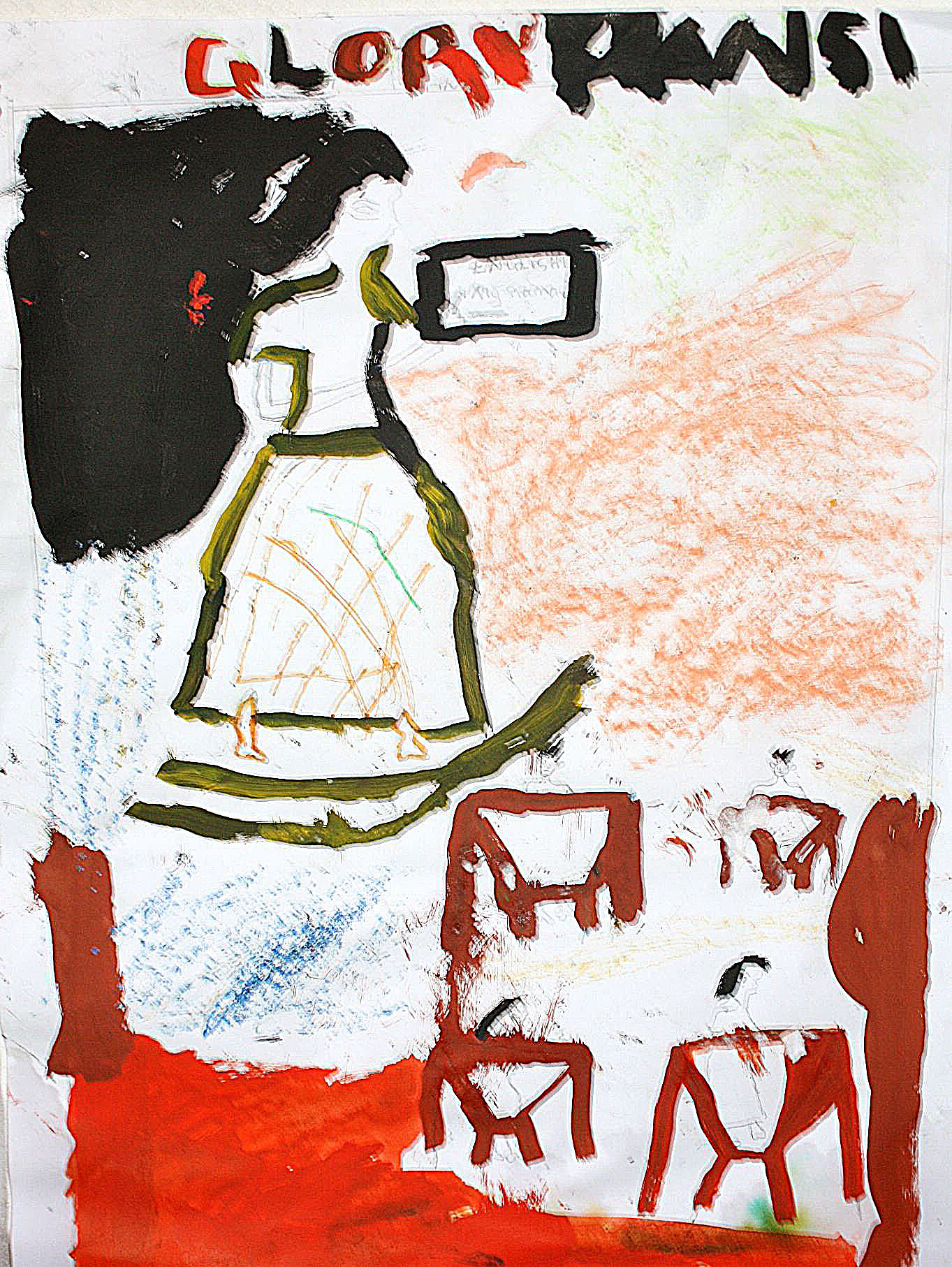
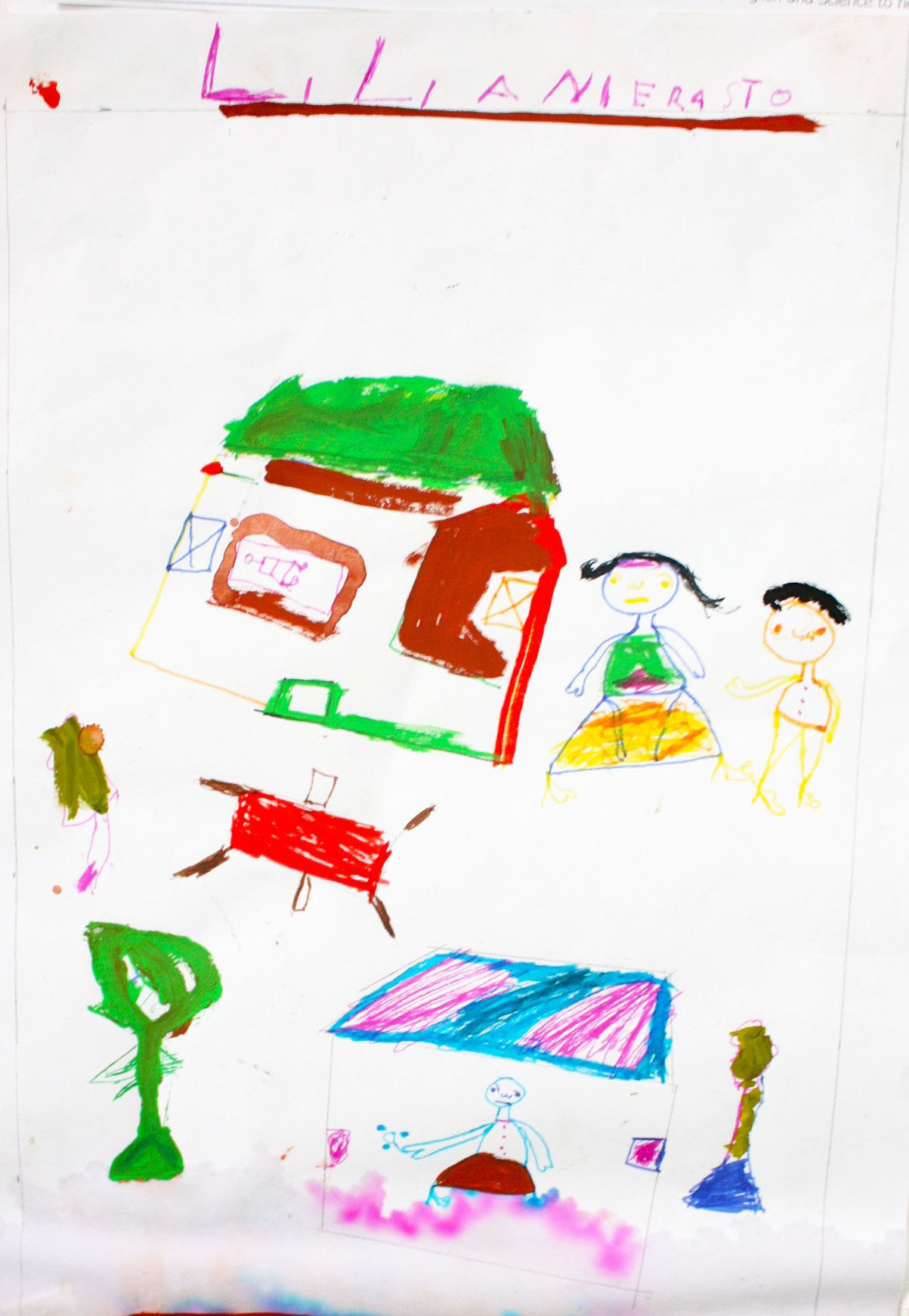
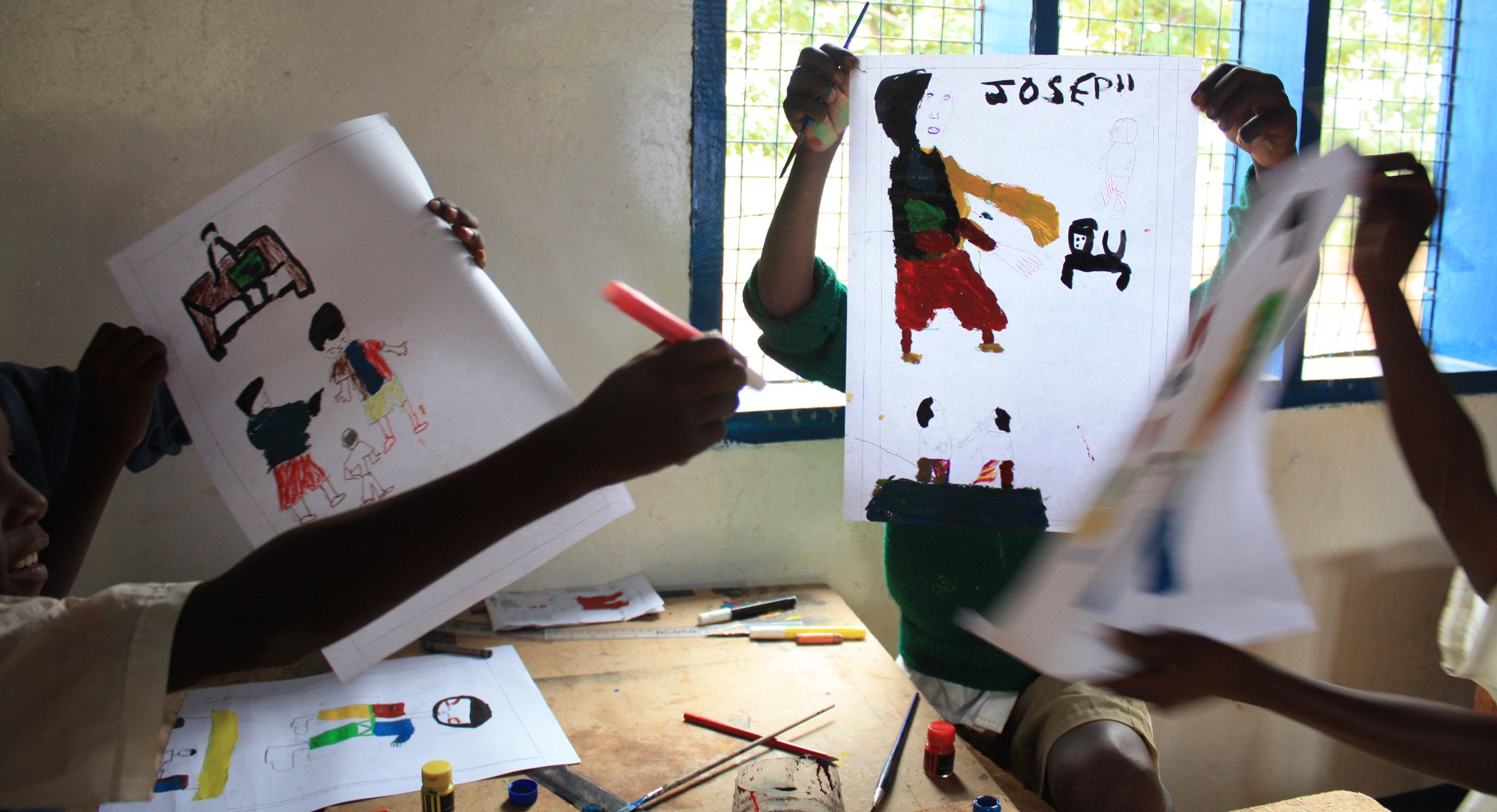
Whilst Singahini focussed on Child Rights and Kibo made collages about their community, Mgungani got busy making aspirational portraits with pencils, charcoal, paints and pens. At the same time the group thought about what role their education plays in their future and what their motivations are.  The portraits produced show a fantastic group of socially conscious and active community members. Between them they will fight corruption, improve health care, and educate and safeguard their communities. Take a look for some more inspiration!

Lilian, 11yrs: I want to be a house wife so I can take good care of my chidlren, parents and relatives.  I am studying all subjects to help me in the future.

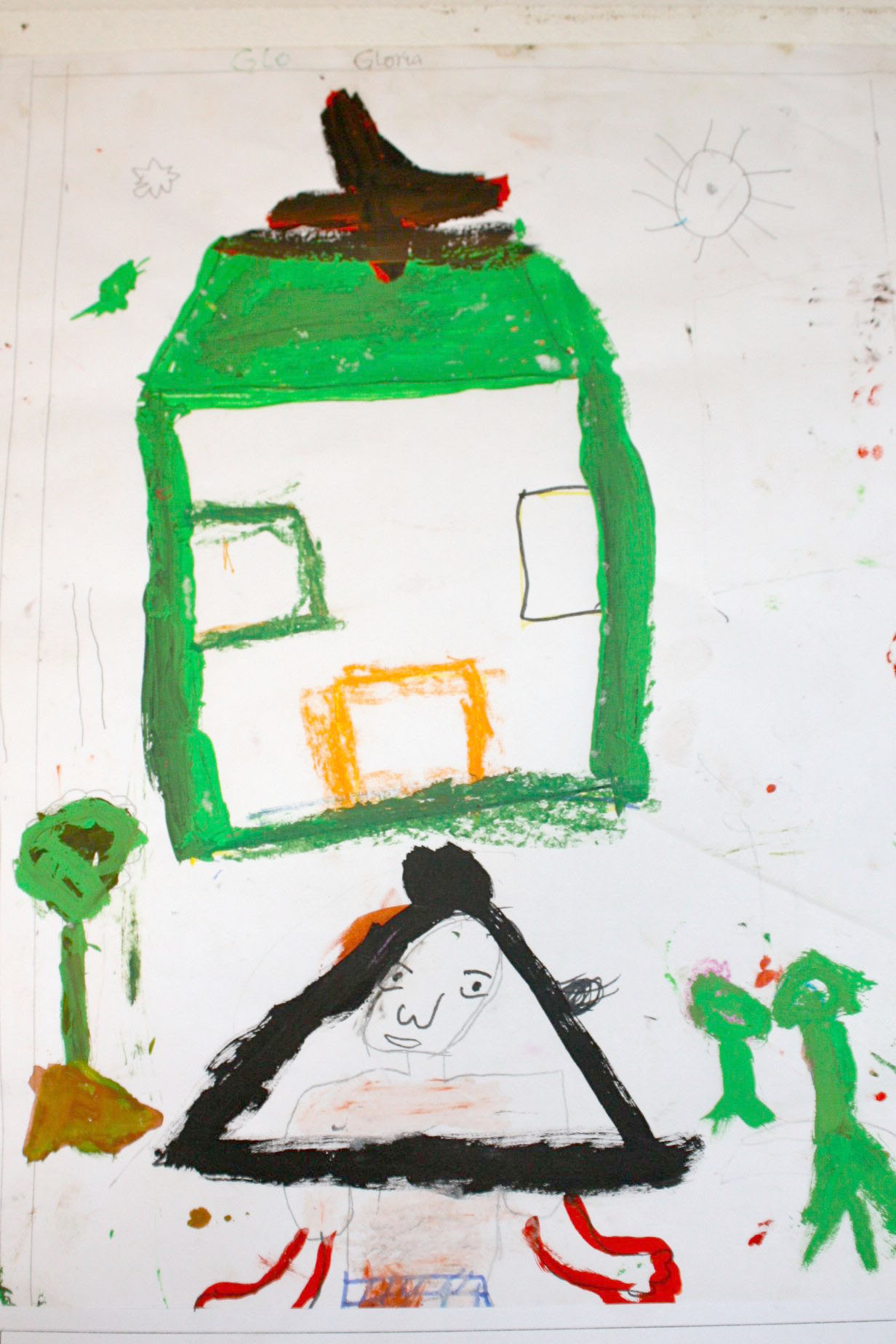
Gloria, 9yrs: I want to become a nun so that I can teach other members in the community to pray and sing to the lord and all go to heaven. I also want to help others who want  to become nuns as well.

Kelvine, 10yrs:  I want to become a policeman so I can safeguard my community and to catch thieves who are disturbing people

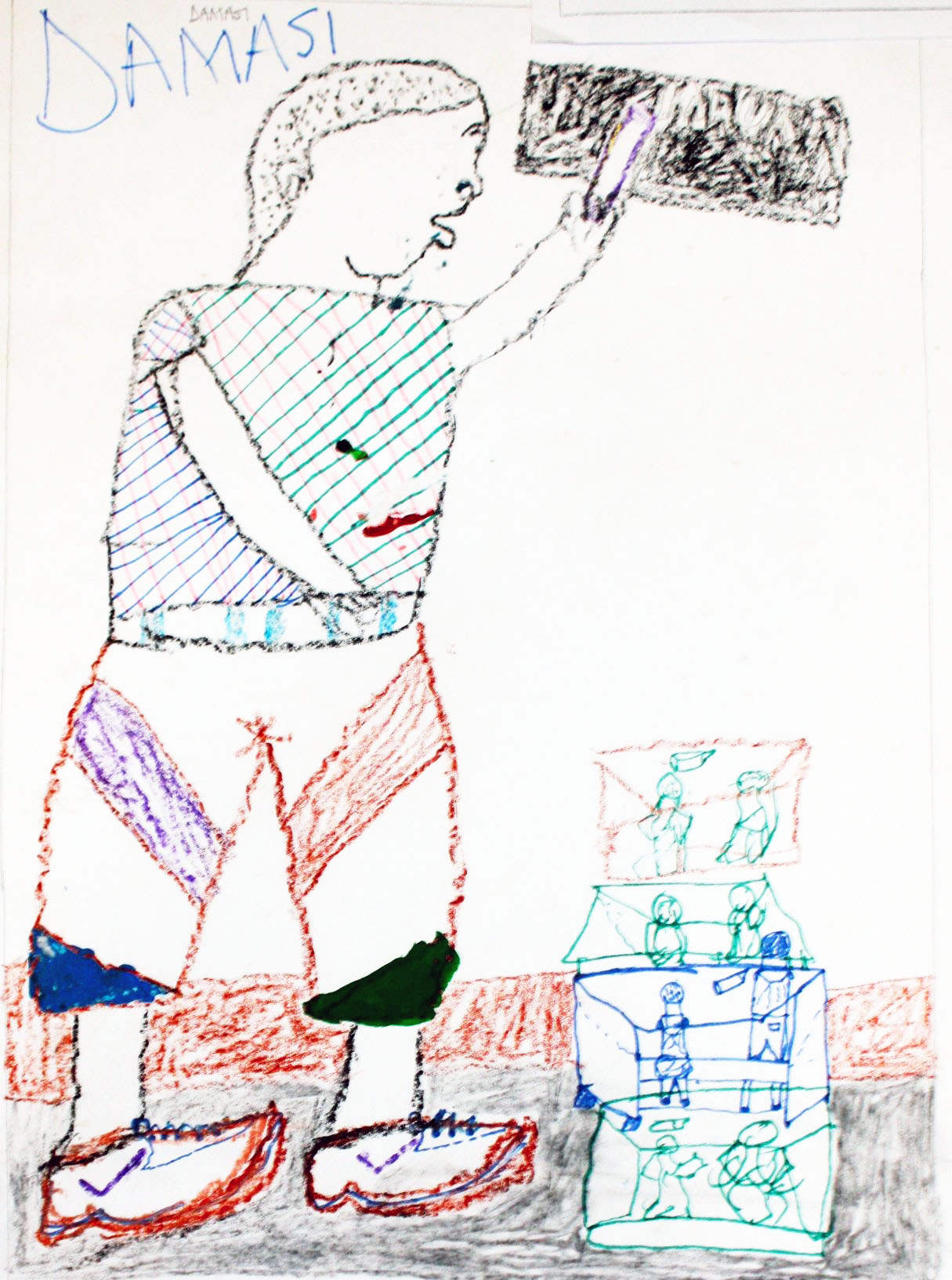
Damasi 13yrs; I would like to become a teacher when I grow up after I completed my studies, for this reason I am studying hard at al subjects.  A teacher is the person who is respected all over the world, this is because all politicians, doctors and those with careers are learning through the hands of teachers.  I want to become a teacher to educate the world.  I also see that our community has very few teachers so therefore I would like to join in this career so I can help to educate my community as well.

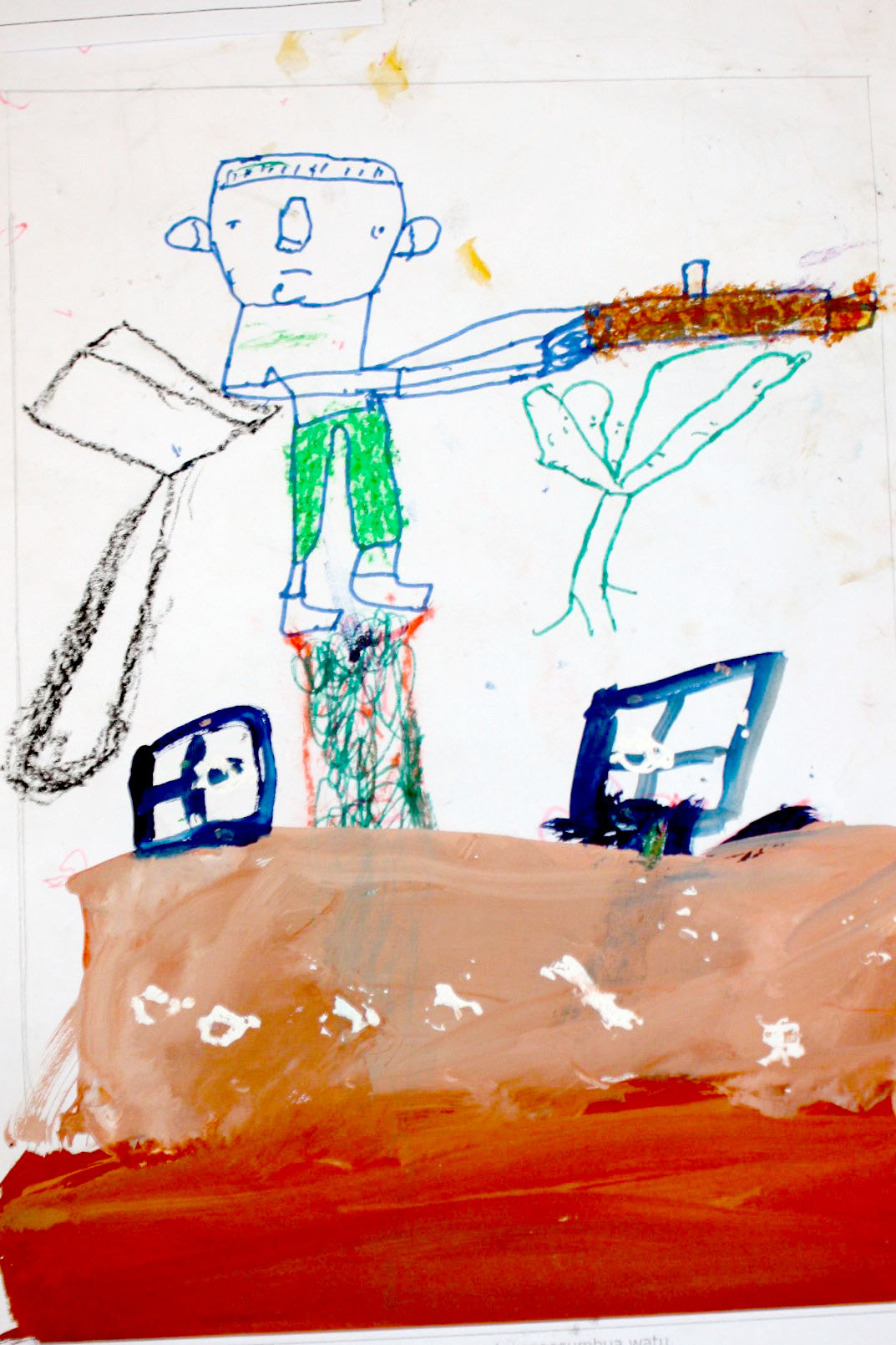
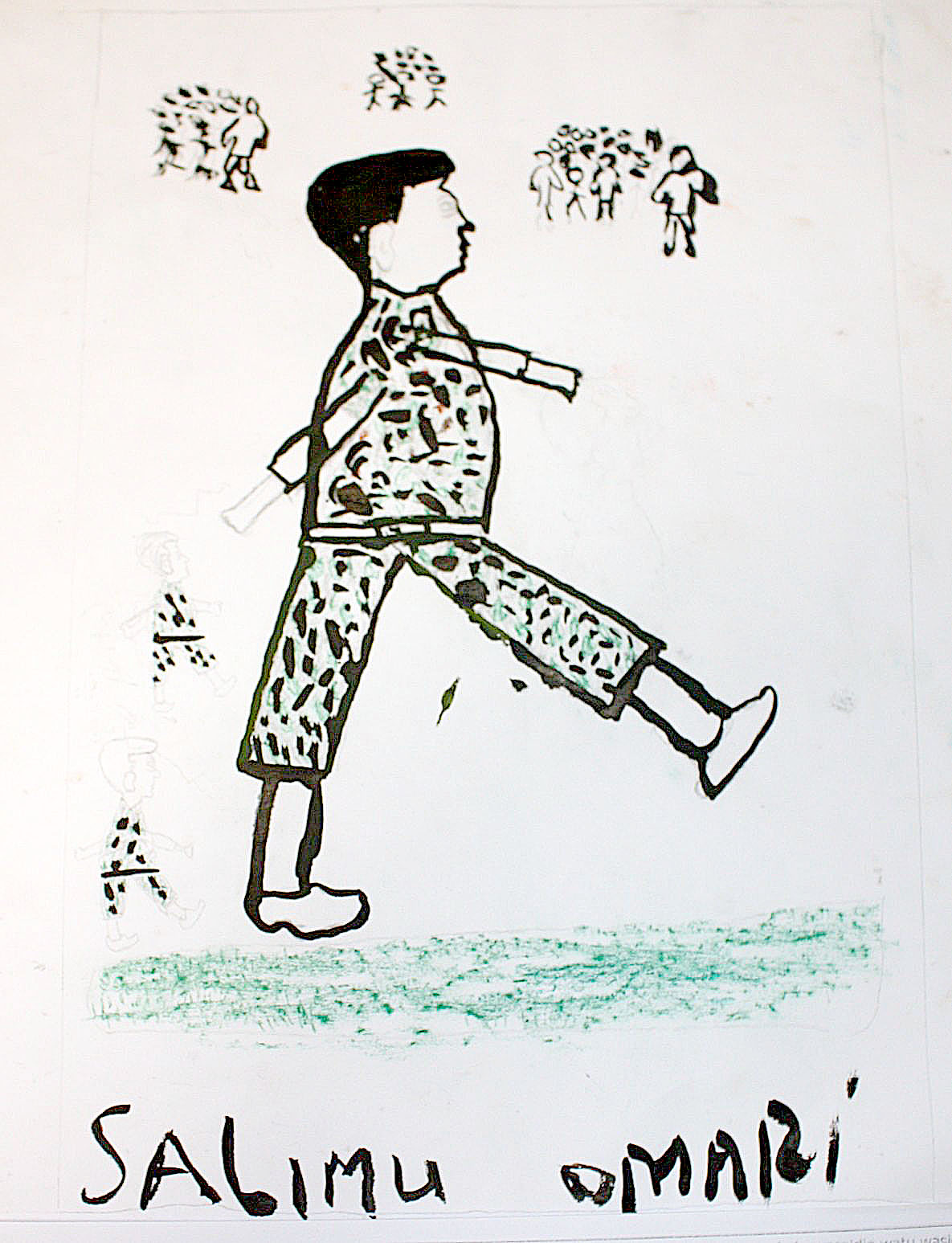
Salimu 12yrs; I want to become a soldier when I grow up in order to protect my country Tanzania. I would like to help those who can not help themselves.

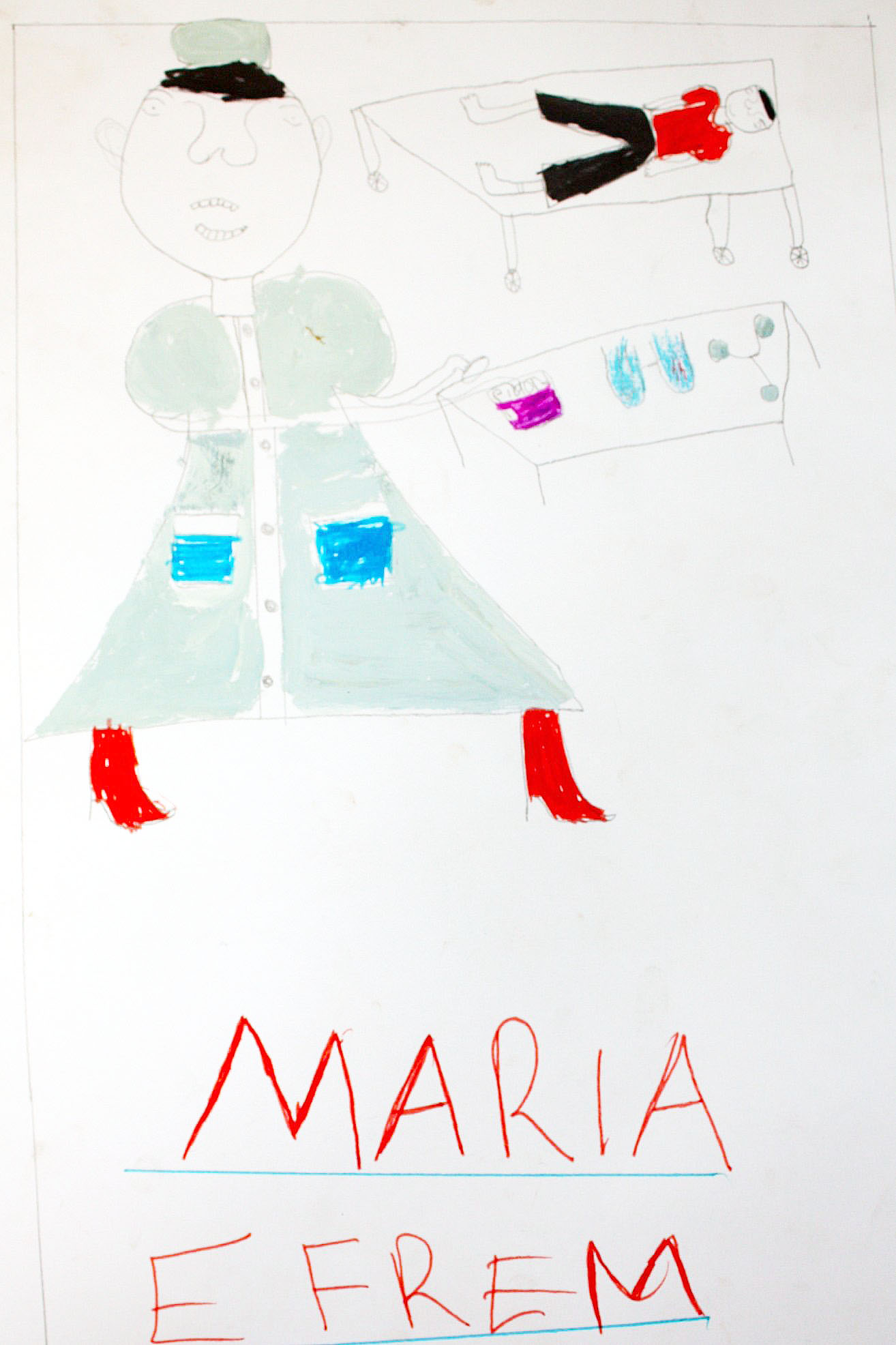
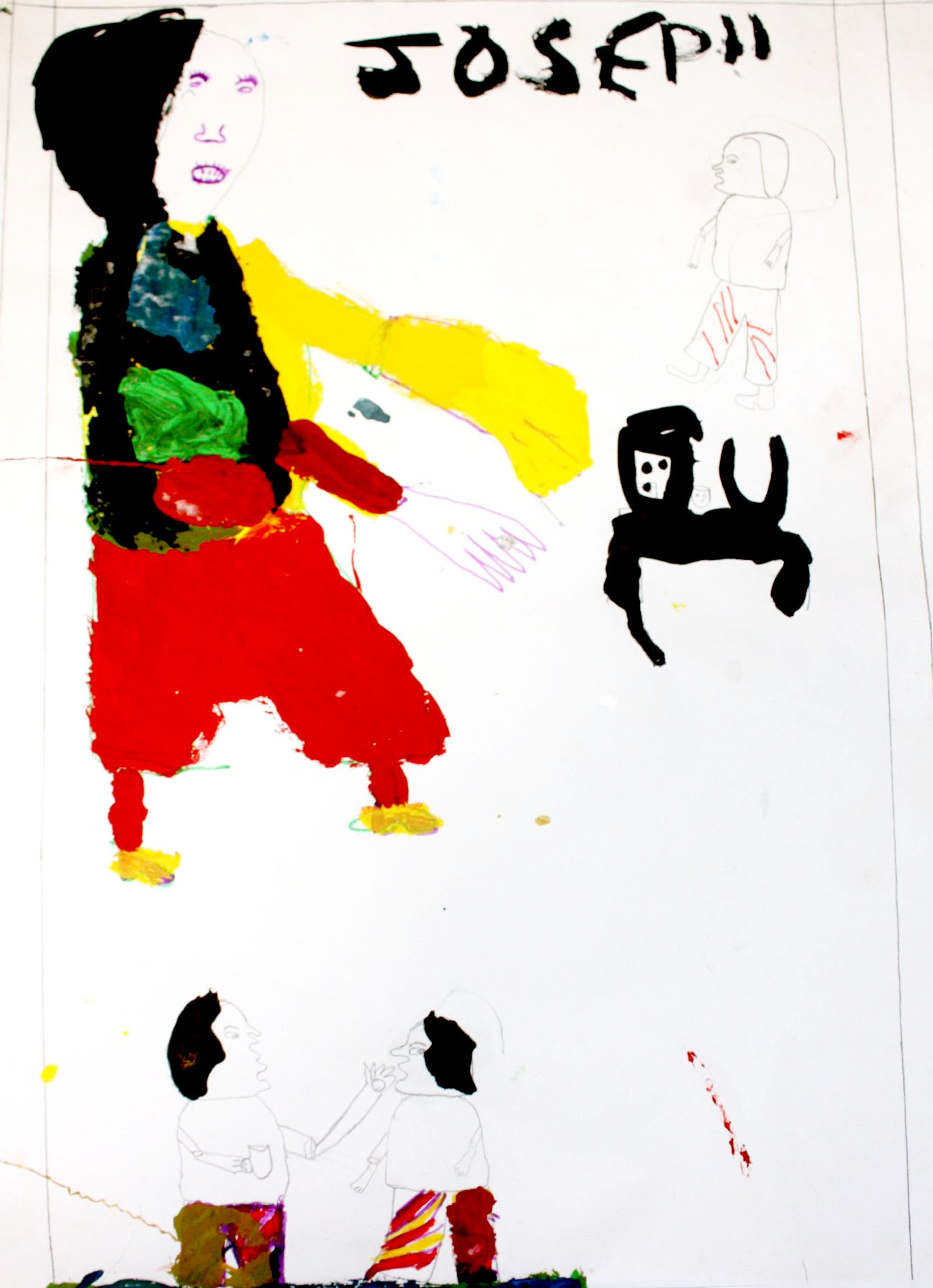
Joseph, 11yrs:  I want to be a doctor, this is because I will be able to cure sick people in my community,  and diseases like malaria.

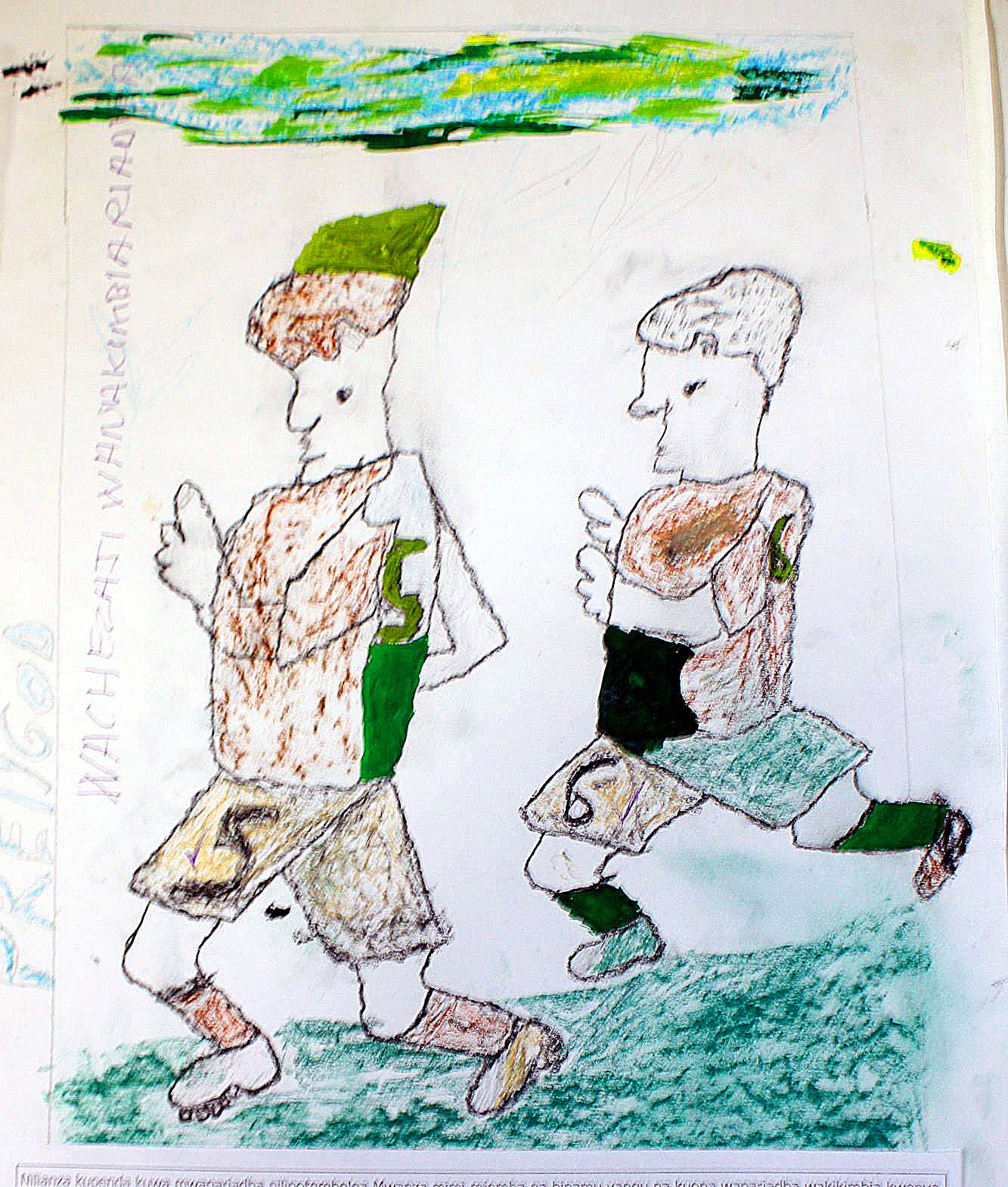
Preygodi, 11yrs: I started being interested in athletics when I visited Mwanza with my uncle and cousin and saw athletics people on TV.  I was so interested that I wanted to become one.  When I grow up I would love to be an athletics person.  I hope this will help me be healthy and strong.  I would also like to help my community participate in different kinds of sports for their healthy living.

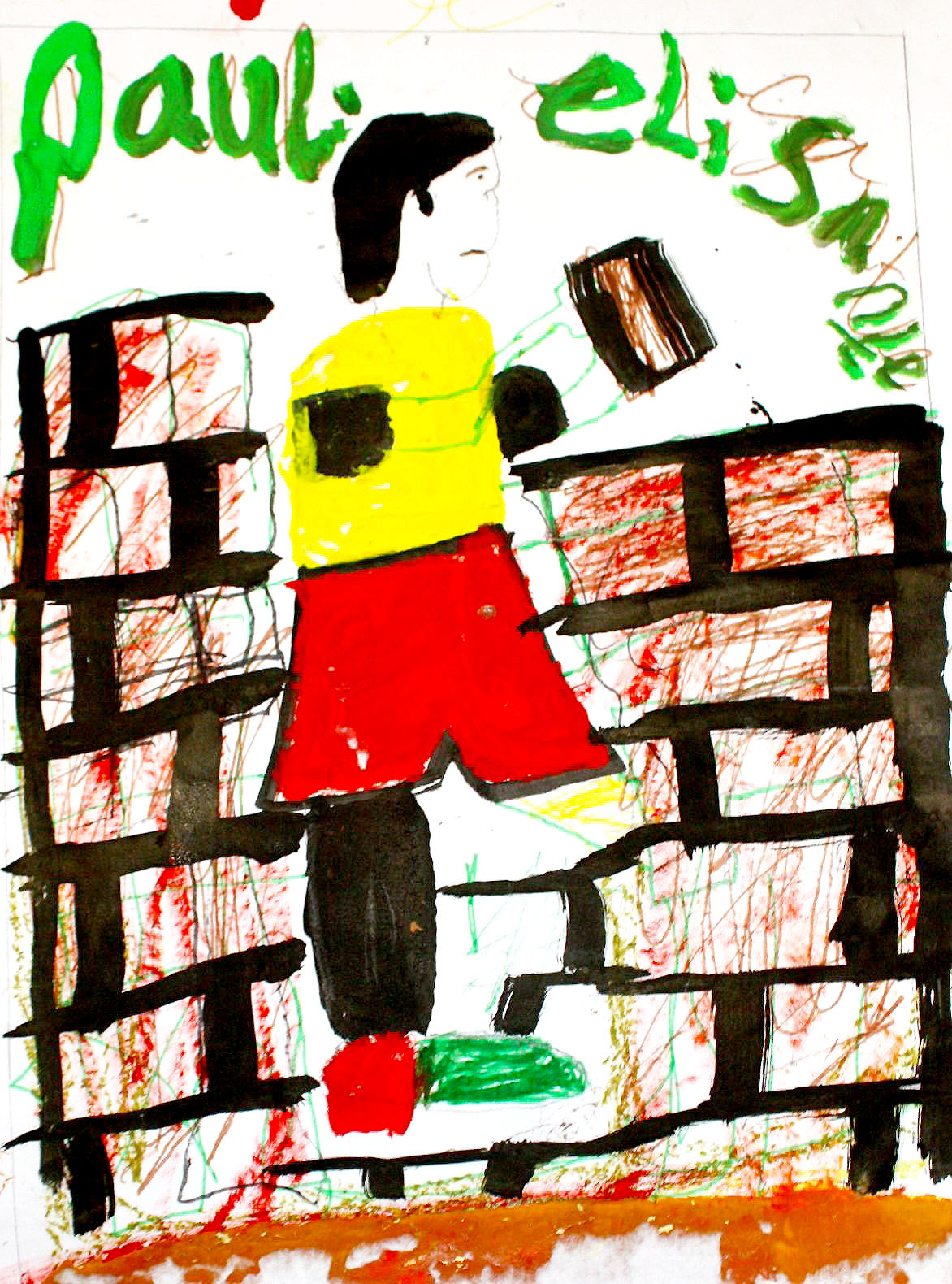
Pauli, 11yrs:  I want to be a constructor so that I can help my community to have quality houses and help those who don’t have any homes because they have little money.  I want to build houses for the rich people.  This would mean that  I would be paid in order to help my families needs like buying food for a balance diet so that hey can remain healthy and don’t become sick.

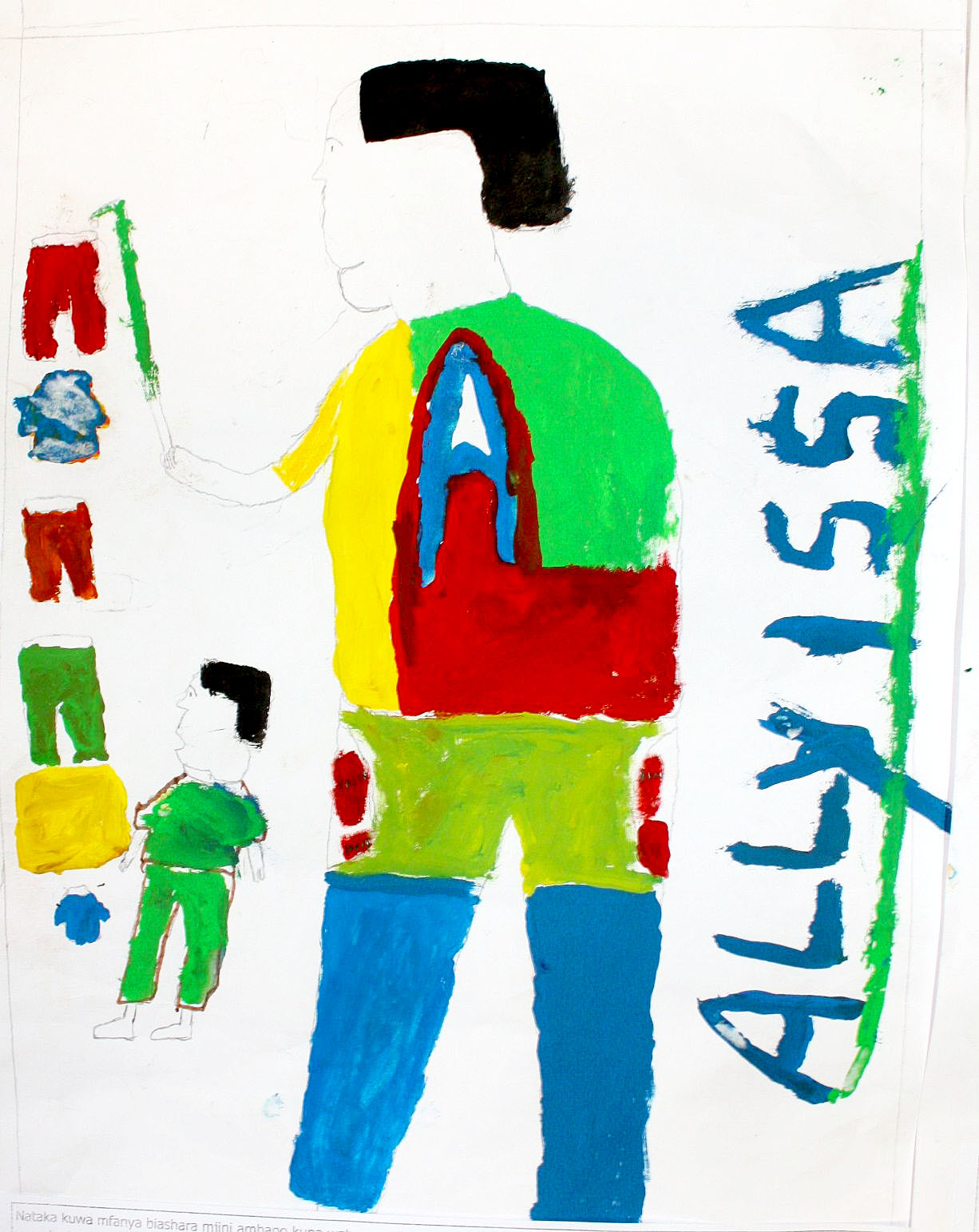
Ally, 11yrs: I want to be a business man in town where there are lots of people selling clothes in a big shop.  Not like those who are passing door to door selling clothes, I will be selling different types of clothes to people; I will employ a person to sell and I will be the supervisor.

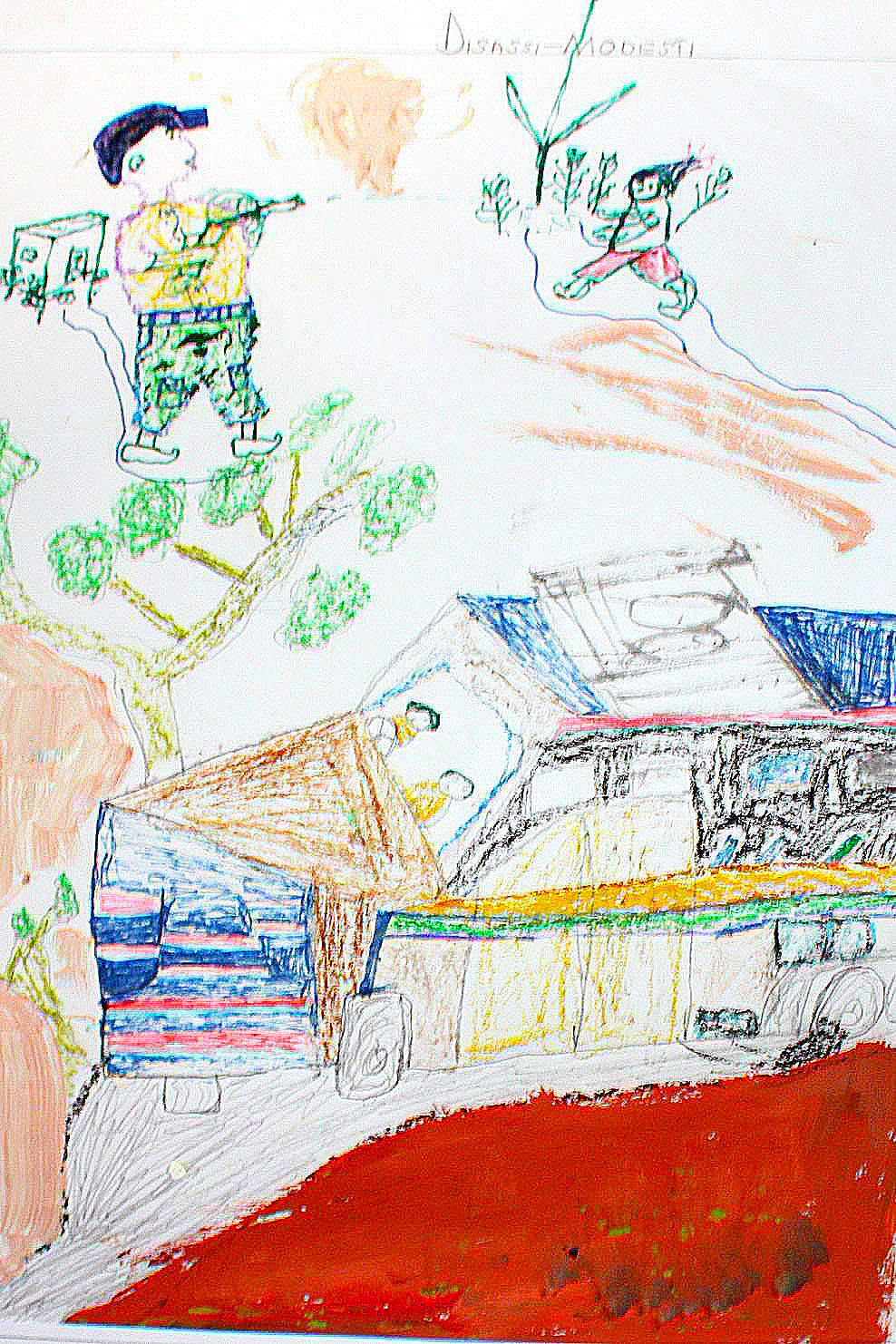
Dismasi, 13yrs: I want to become a soldier because I want to protect my country from any kind of violence.  For example, when thieves want to steel  wires for electricity connections, I will catch them and send them to the police station.  I also want to help protect our countries boundaries and the farmers crops.  I am trying hard in Civics studies so I can become a good soldier.

Freddie, 11yrs: When I grow up I want to be  a football player.  I want to entertain Tanzanians and help those who are in need.  I study all of my subjects to make me knowledgeable

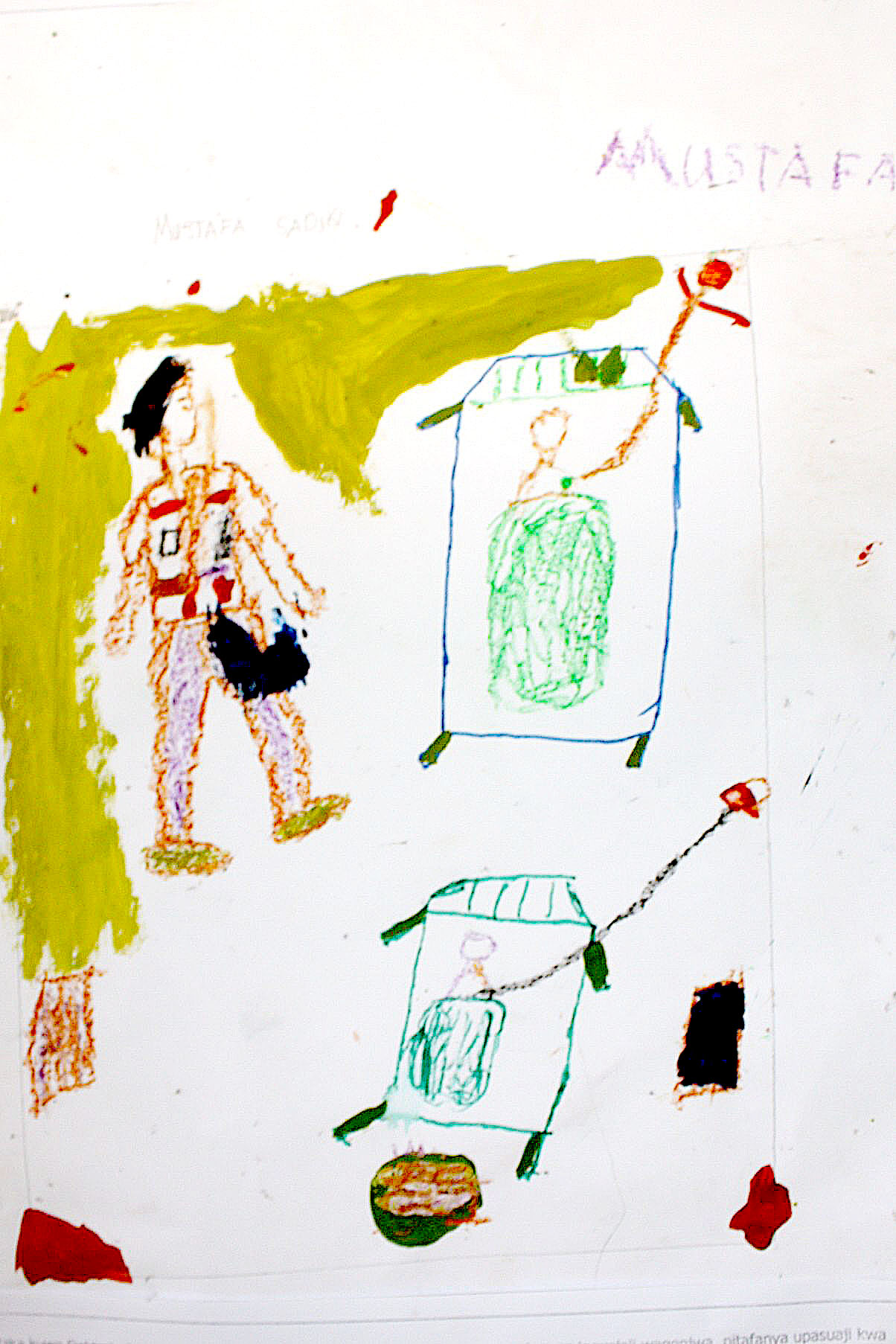
Mustafa, 10yrs: I want to become a doctor, this is because I will be able to give medicine to sick people and be kind to the sick people.  I also want to encourage health education in my community so that we can all care for sick people.  I will operate on sick people and give blood to those who need it.

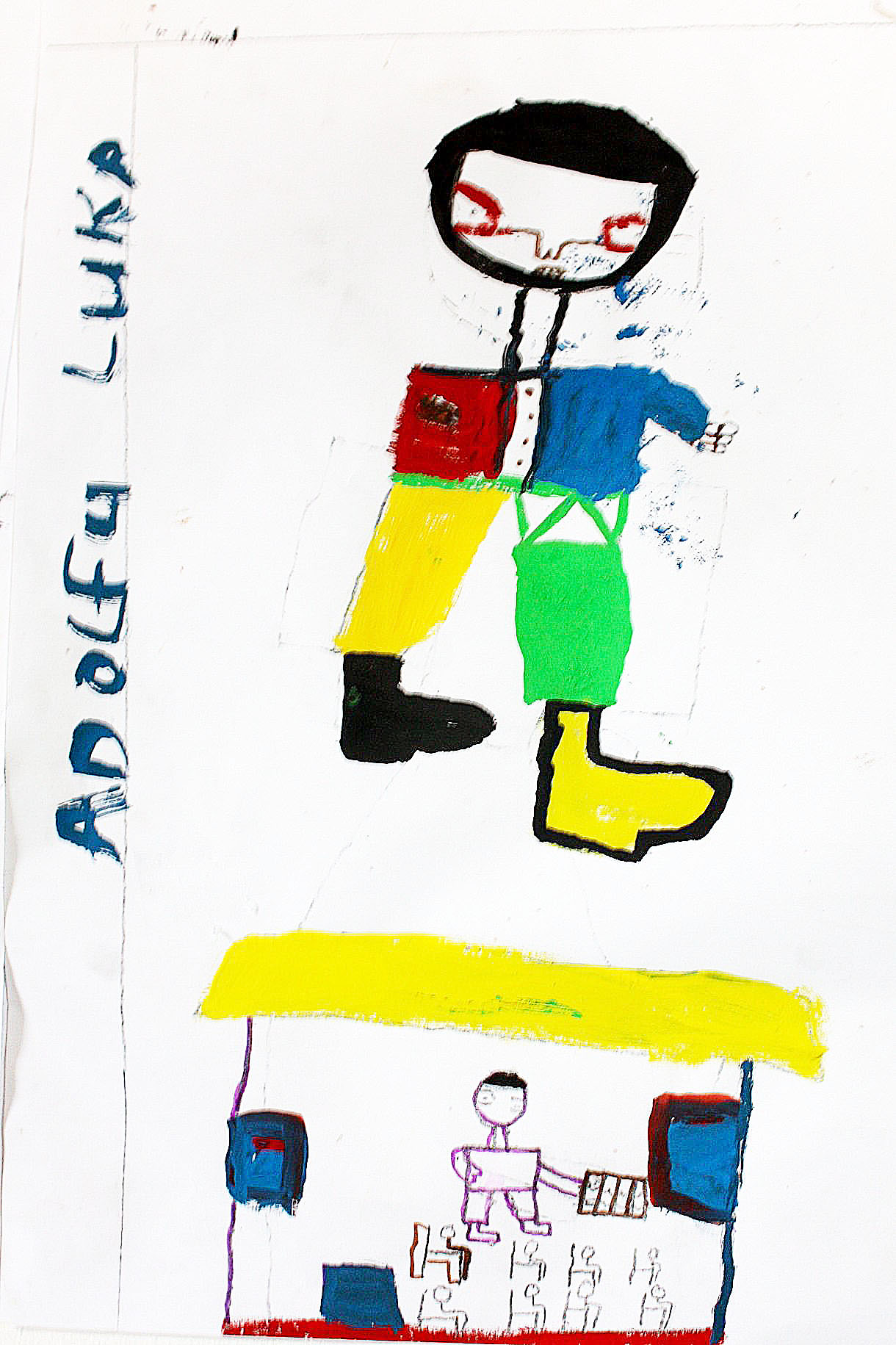
Adolfu, 10yrs: I want to become a teacher because I have a good education, therefore I would like to share it with others in my community

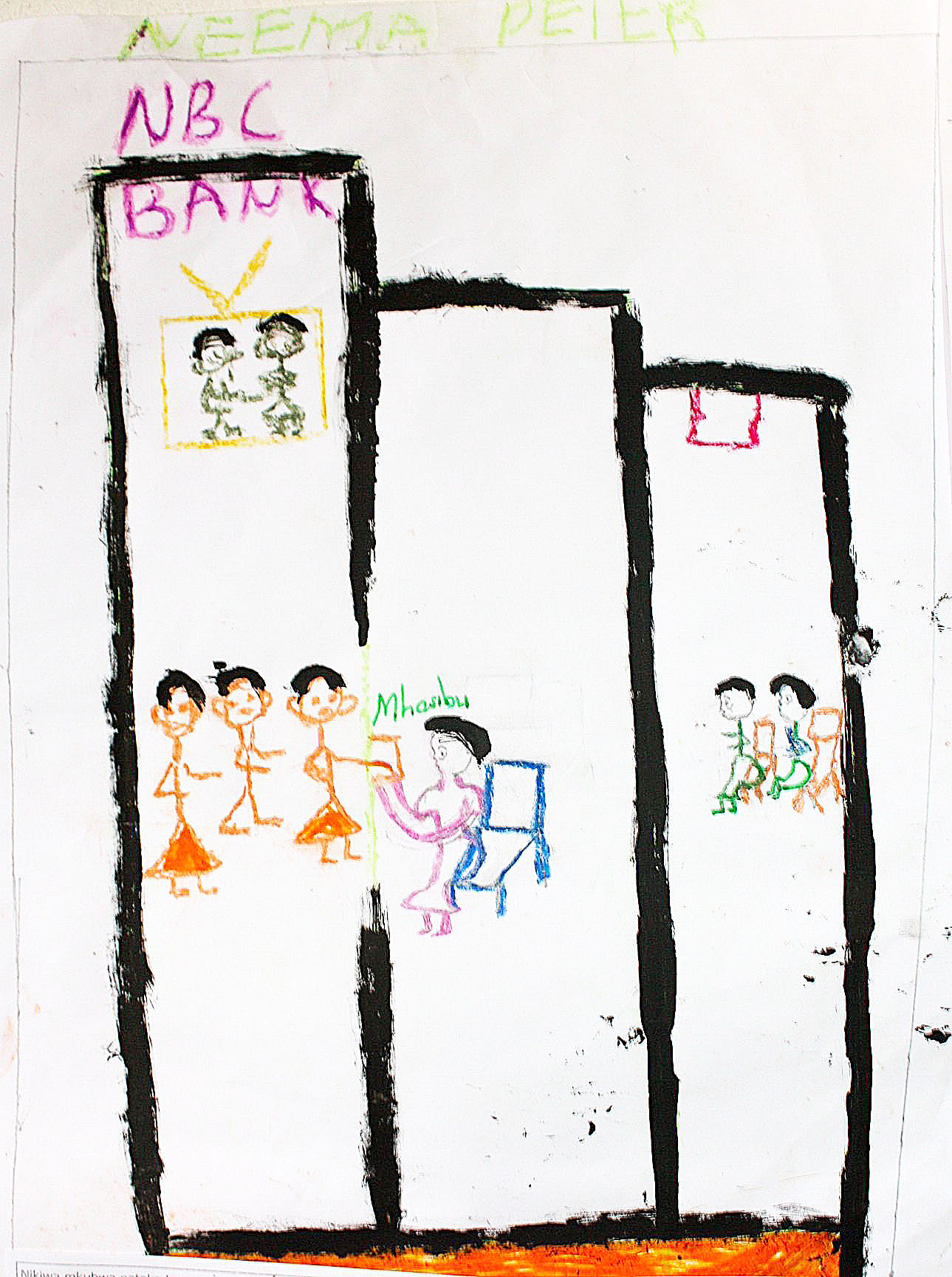
Neema, 12yrs: When I grow up I will like to be an accountant, this is because I will be able to keep money safe and account for it. This is to make sure that the money coming into a company is used correctly.

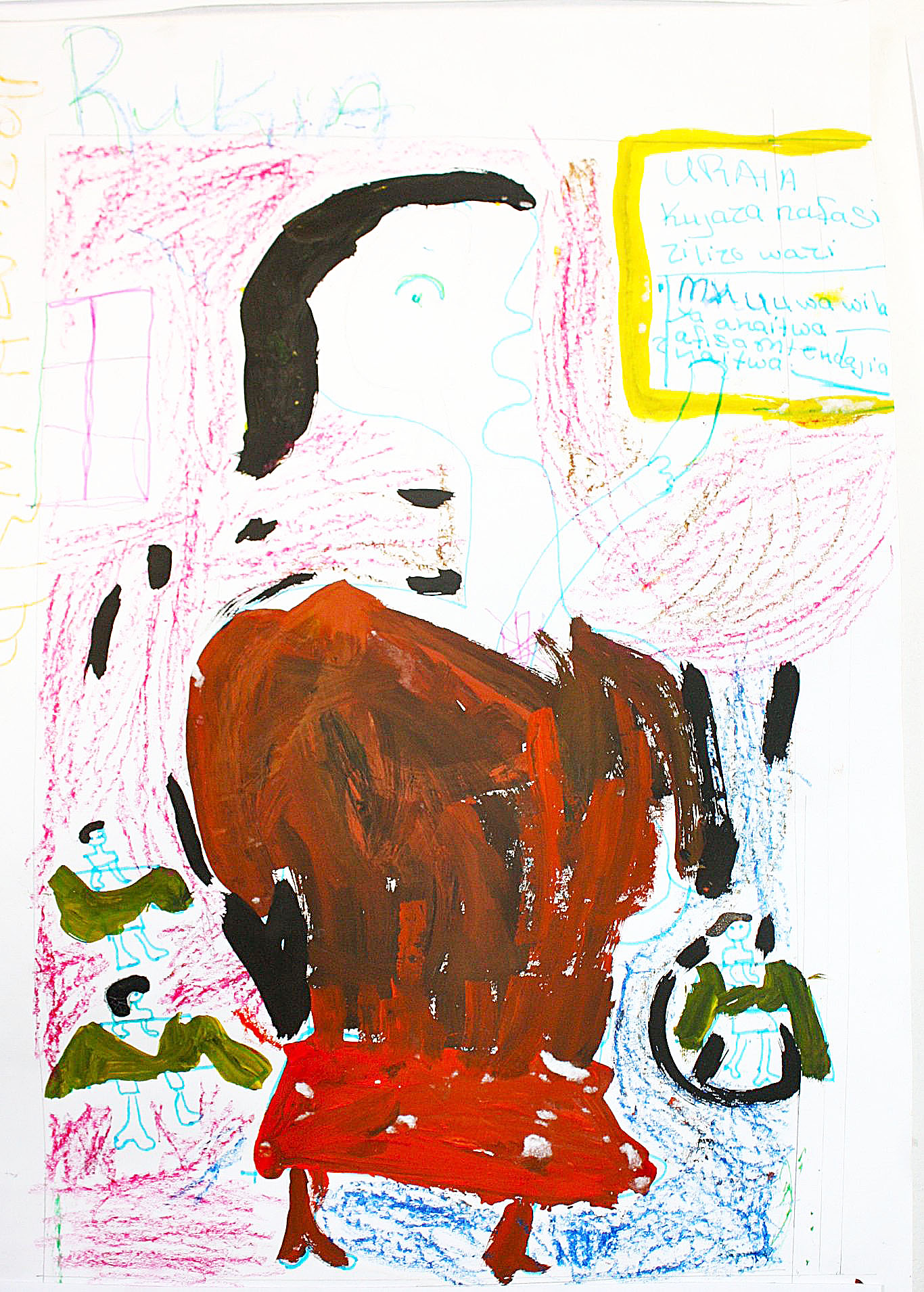
Rukia, 11yrs: I will be working as a teacher when I grow up so that I can teach primary school pupils to read and write.

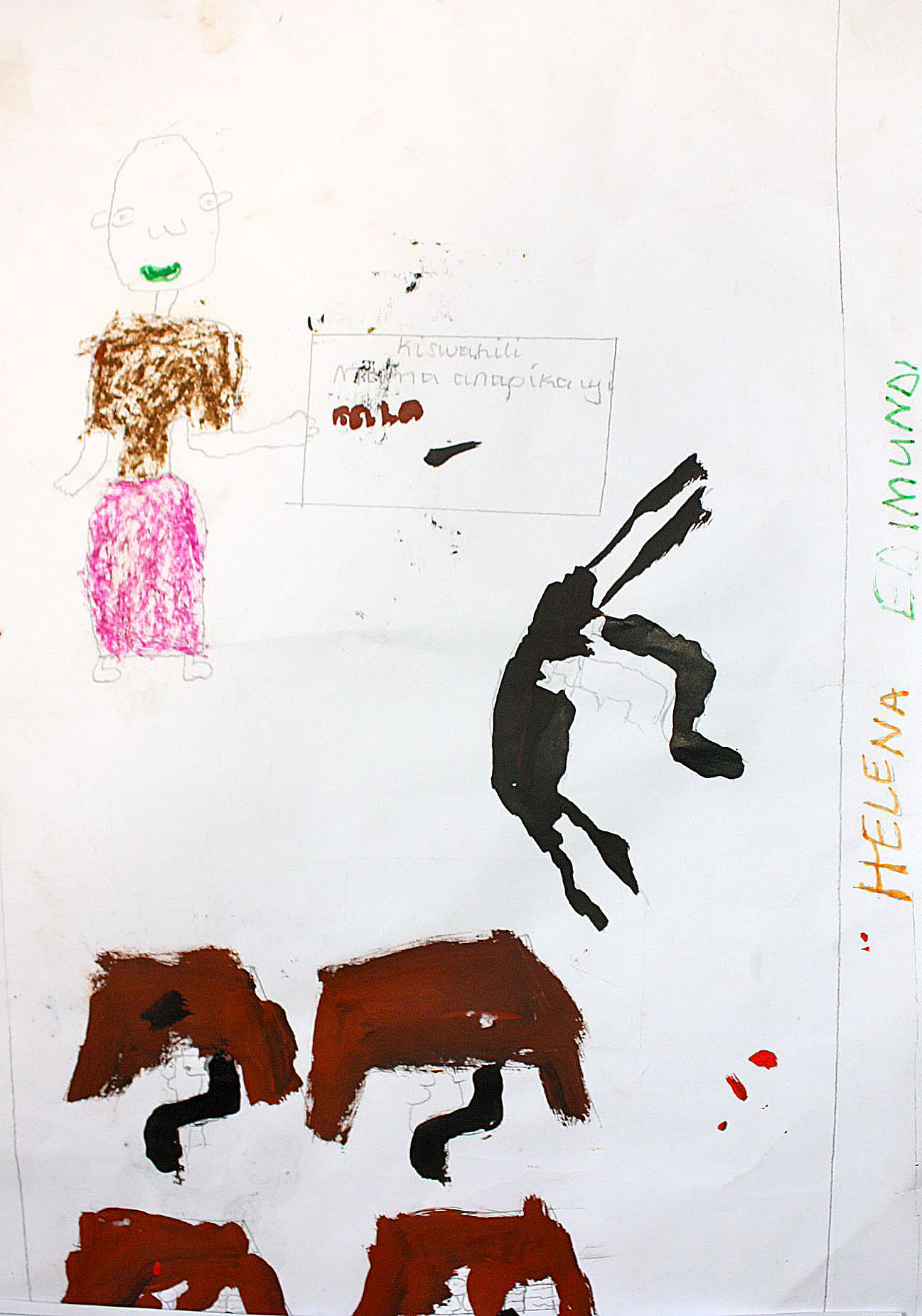
Helena, 10yrs: I want to become a teacher because this job will help give me an education and skills which will produce good fruits into others lives

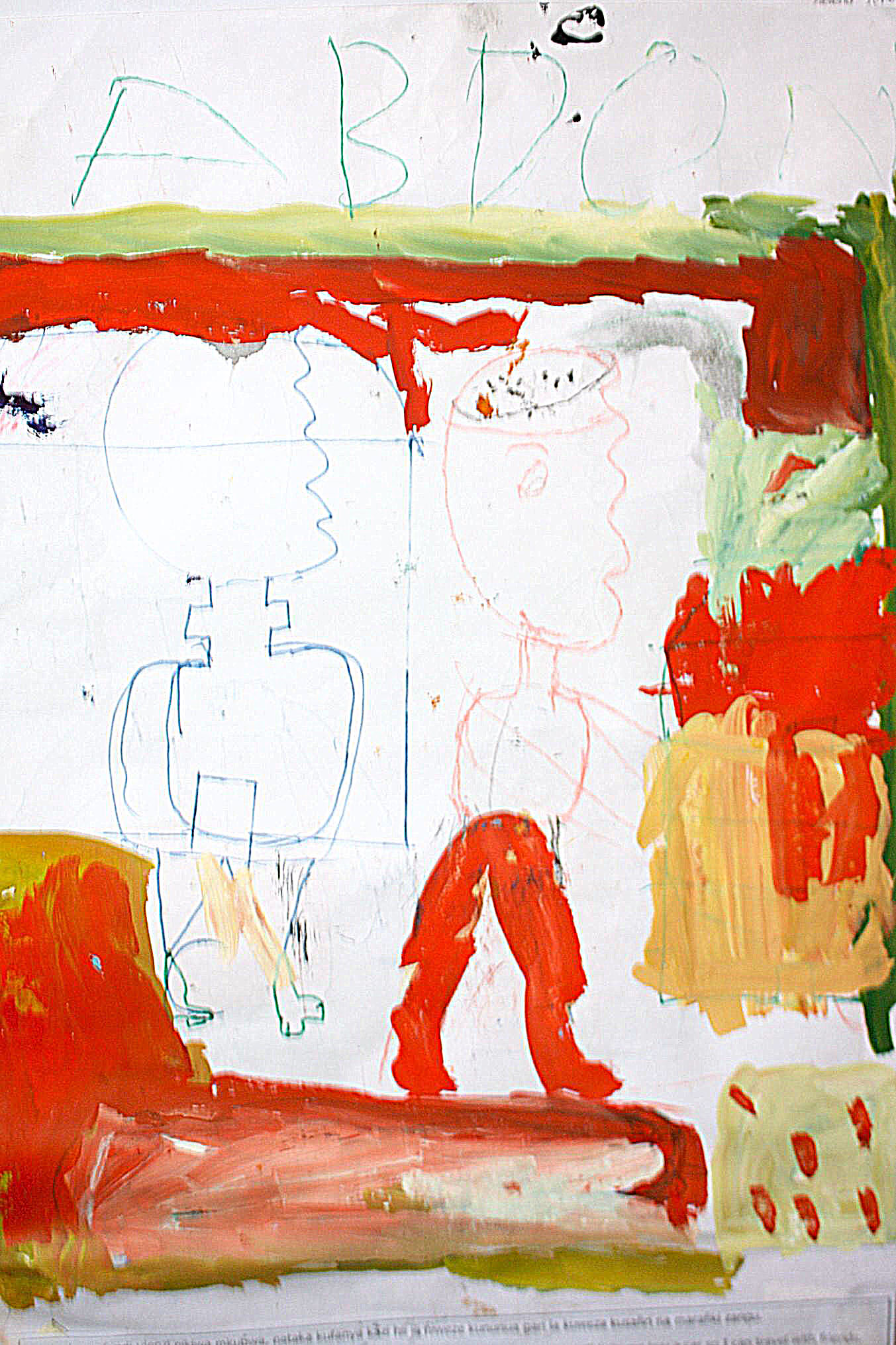
Abdoni, 10yrs; I want to be a constructor when I grow up. I want to do this job so that I can get money which will help me buy a car so I can travel with friends.
Glory Fransi, 10yrs: I want to become a teacher so I can give better education in my community.  This is important because the education they will get will hlpe them in the future.

Lilian, 11yrs: I want to be a house wife so I can take good care of my chidlren, parents and relatives.  I am studying all subjects to help me in the future

Leave a comment

Filed under Uncategorized

Article 4: Sharing the Protection of Rights

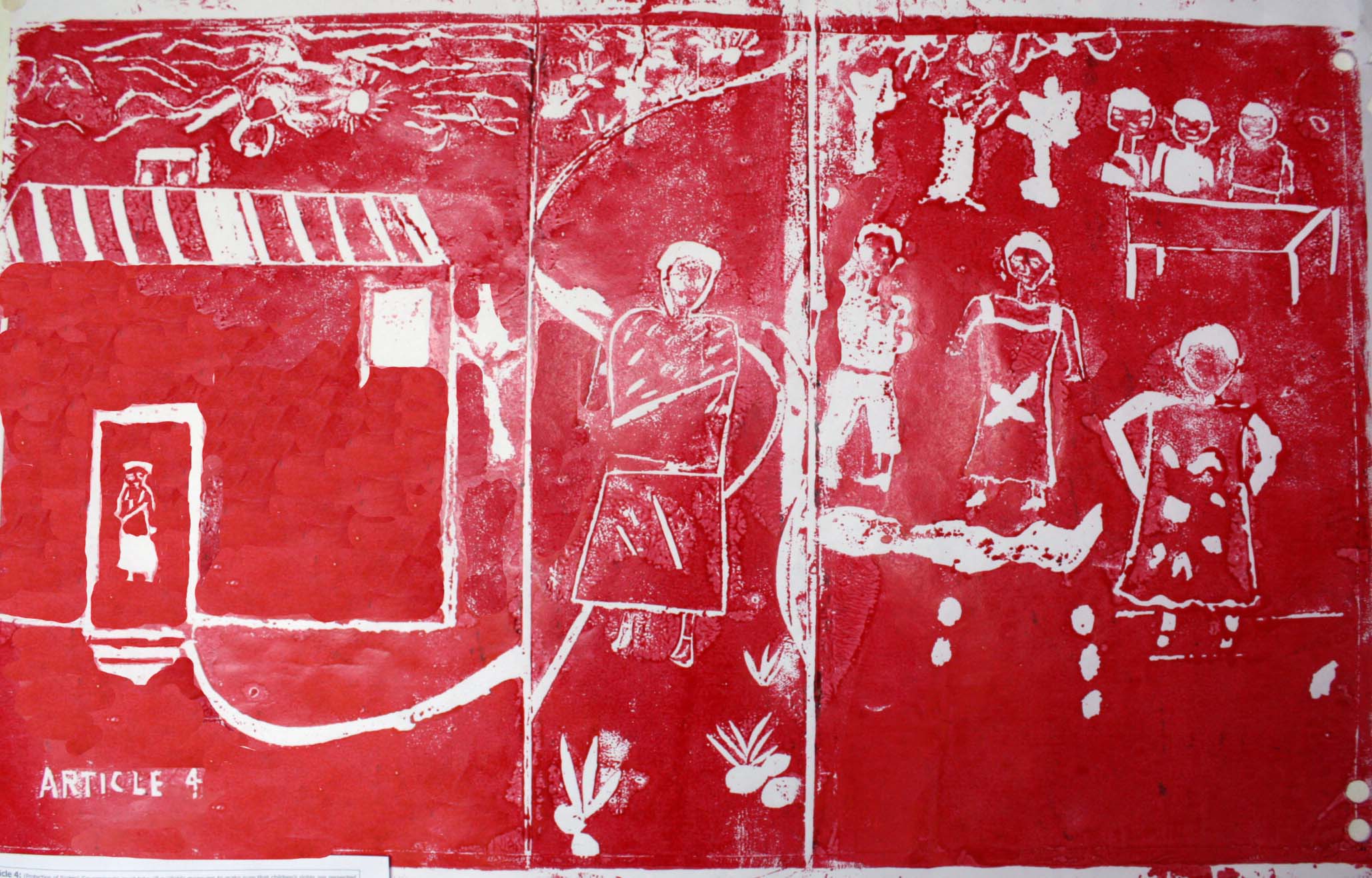
This group of girls produced a beautiful print for the exhibition about how communities can protect children’s rights. It shows a women who left her house one morning  to attend a meeting in the village about the UNCRC. She was late attending and on her way she met two young children already on their way home. They were able to answer of the women’s questions and therefore shared their communities responsibility  to implement their rights and help raise awareness of their importance. A really simple yet stunning print which shows clearly how communities and children can work together, this will look great in their class room!
Witness                             Victoria                                  Honorata                                Gertrudi

Article 4 (Protection of rights): Governments have a responsibility to take all available measures to make sure children’s rights are respected, protected and fulfilled. When countries ratify the Convention, they agree to review their laws relating to children. This involves assessing their social services, legal, health and educational systems, as well as levels of funding for these services. Governments are then obliged to take all necessary steps to ensure that the minimum standards set by the Convention in these areas are being met. They must help families protect children’s rights and create an environment where they can grow and reach their potential.

Heres what Witness, Honorata, Victoria and Gertrudi thought about how responsibility could be taken…

  1. To prepare meetings for participatory information sharing about rights. To share and learn together so that rights can be followed
  2. Governments to pass each house to make sure rights are followed and protection is there
  3. Governments to write letters to communities about rights to raise awareness
  4. Parents to go to child rights meetings
  5. Police to make sure that rights are followed by parents and children

Leave a comment

Filed under Arts Works, Communities, The Millenium Development Goals (MDG)

Article 19; Protection from Violence (featuring firewood and fruit)

Article 19 –

Children have the right to be protected from being hurt and mistreated, physically or mentally. Governments should ensure that children are properly cared for and protect them from violence, abuse and neglect by their parents, or anyone else who looks after them.

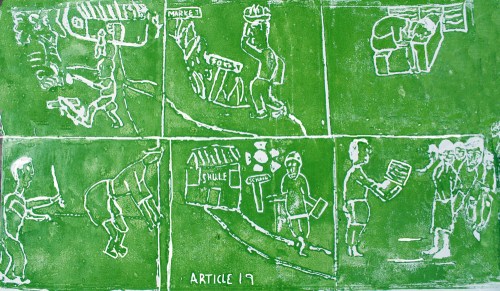
When Festo, Anold, Romani and Gilbert sat down to discuss what this particular child right means to them, they came up with more than just the physical and psychological effects of violence.  In their artwork they have chosen to draw attention to some of  the complex social reasons why children are faced with abusive situations, often out of their control. This illustration raises awareness on a very controversial topic in Tanzanian primary schools, the use of the cane.

In box 1 (top left)  it is early morning and the young boy is asked to chop firewood as part of his daily chores.  He then travels to the market to sell bananas and proudly contributes to the family income, 1 banana is usually sold for 100 shillings, that’s 4 pence. In the third picture after he finally arrives at school that day he grows very tired in the classroom and falls asleep at his desk.  As a result he is caned for laziness and this pattern continues until he fails the school year.  In their last picture (bottom right) the boy is then seen reading out his rights to his family and endeavors to explain that the reason why he is being continually punished in school is not due to ignorance or laziness but because he is not given enough time to rest. He is explaining to his family and community that education is a long term solution which will help break the poverty trap.

All groups based their stories on their initial Rights and Responsibilities Activity. Following are Festo, Anold, Gilbert and Romani’s key points about Article 19. It is interesting to note that their main association with violence is employment.

  1. Children have the right not to be hurt in any way
  2. Children shouldn’t be employed
  3. Children should be given time to study and rest
  4. Children shouldn’t be given any work which they aren’t physically or mentally capable of doing
  5. Our responsibility is to not run away from school.
Currently in Moshi, Childreach International are supporting another innovative project, Burning Innovation in which Ross Tierney from Kyoto Energy is training local fundis (mechanics/designers/engineers) to build energy efficient stoves which use less firewood and produces less smoke. Lets hope it spreads to the villages of Singachini as less firewood means more time for school,  and so on and so forth!

Leave a comment

Filed under Uncategorized

Fairtrade and Child Labour (Article 32)

In the last few weeks of Making Art, Making Me, Singachini continued working on their child rights illustrations. Each group focused on a particular Protection Right and discussed in groups what they mean, here is what the first group thought…

Article 32 (Child Labour): The Government should protect children from work that is dangerous of might harm their health or their education

  • We as children should refuse to do works above our age
  • We shouldn’t be asked to carry big bunches of bananas to sell when we should be going to school
  • Let us refuse to work on coffee plantations for low wages
  • We shouldn’t be taken away from school for work in town as house girls or boys. Parents should refuse this and stop allowing people to take us away
  • Parents shouldn’t allow us to go and graze goats .

The groups, all from local villages in Kibosho, then took their ideas and turned them into storyboards. These all gave touching and personal accounts of how they, their community and the government can take responsibility for protecting them by illustrating cases where rights are neglected.

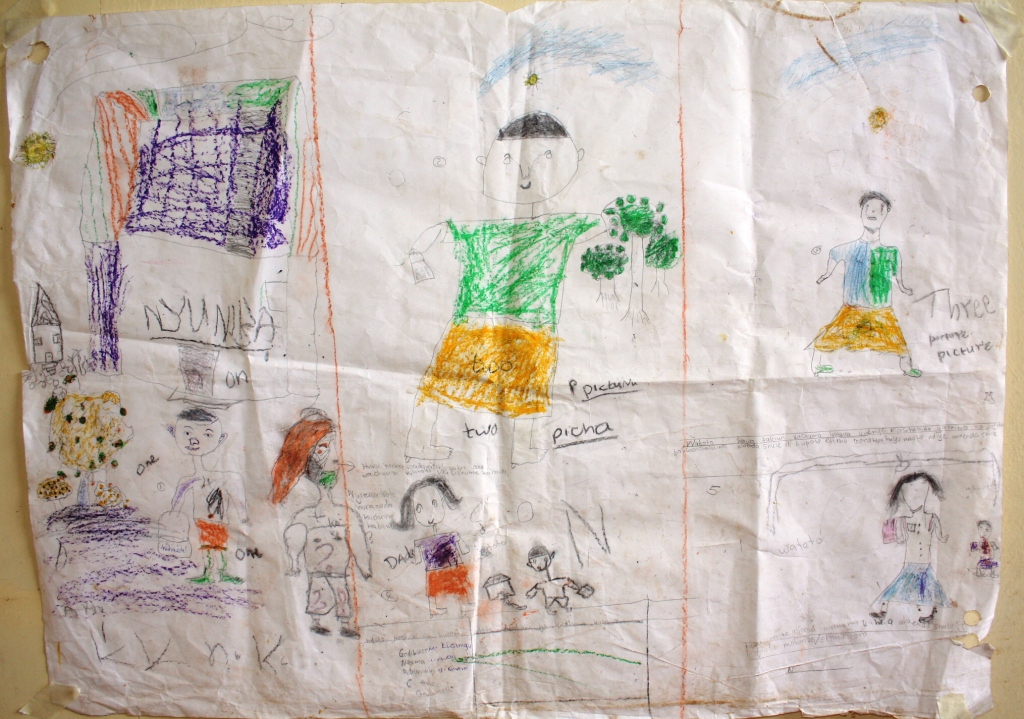
In this drawing the young girl has gone out to work on the coffee plantation. She is working a long day in the hot sun for a low wage. A boy from Standard 7 comes along to the plantation and adivces her on her rights, he tells her that children should not go to work on the (named and fairtrade) coffee estate and should be going to school instead to get a good education. The child then stops picking coffee and goes back to school.

Here is the first final print!  These were shown at the exhibition, displayed at school and will be travelling to London to help raise awareness about  childrens rights and responsibilities.

It is also interesting to note that the named coffee plantation is well know and registered as Fair Trade

The Fairtrade standards for producer organizations prohibit child labour – work that is hazardous, exploitive or that undermines a child’s education or its emotional and physical health.  We follow the ILO Conventions, including Convention 182 on the Worst Forms of Child Labour, and our audits check compliance against this.  Qualified auditors inspect Fairtrade producer organizations on a regular basis to monitor for child labour

We look forward to consulting Fairtrade about this artwork and company when we return to the UK.

1 Comment

Filed under Arts Works, The Millenium Development Goals (MDG)

Kibo: Getting Ready for the Show

On the run up to the exhibition, Kibo were busy preparing for the show in which they made artwork about their communities identity. Naturally the new knowledge about Survival and Development Rights fed into the work, which gave an interesting account of how they think their community can take responsibility for protecting and implementing them.

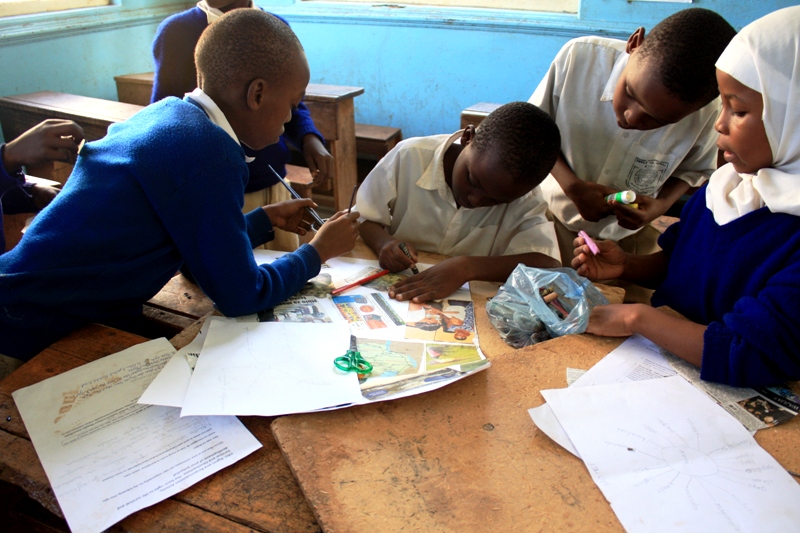
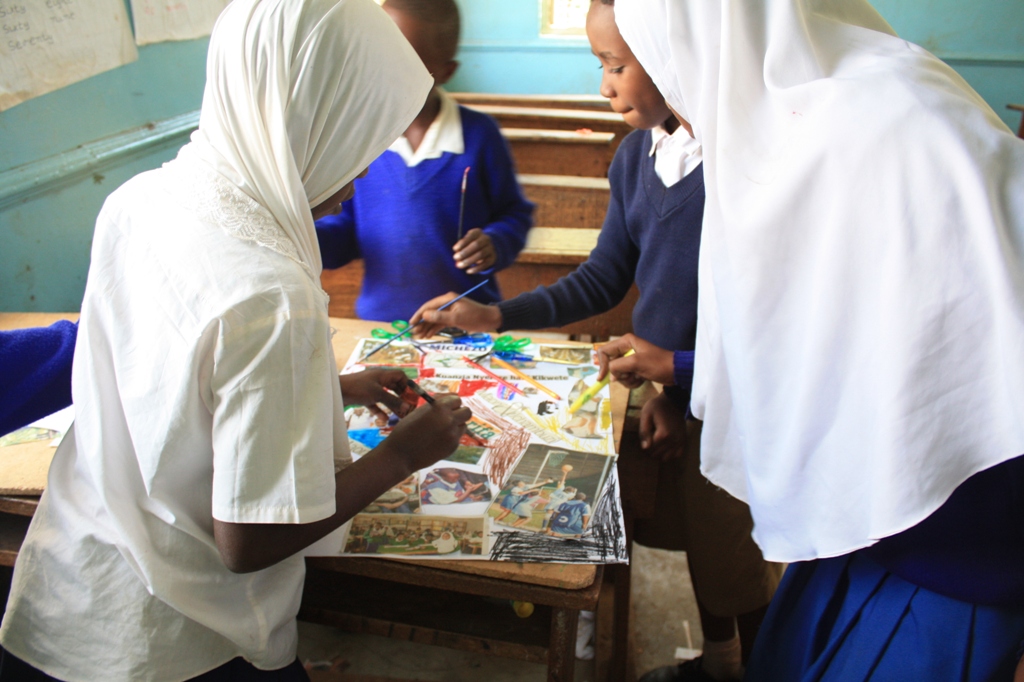
Firstly, children worked in groups and came up with 10 ideas or ways in which their community can help them survive and develop. Then we continued our thoughts about what our community looks like, what are its characteristics and how these are important. We discussed things like what does it mean to have lots of buildings for shelter, or cars and shops for convenience?

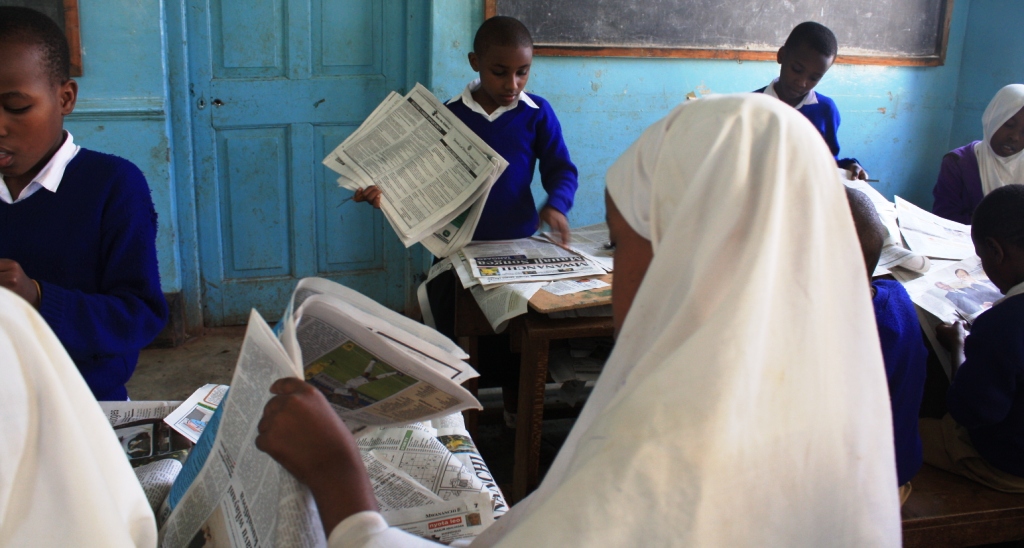
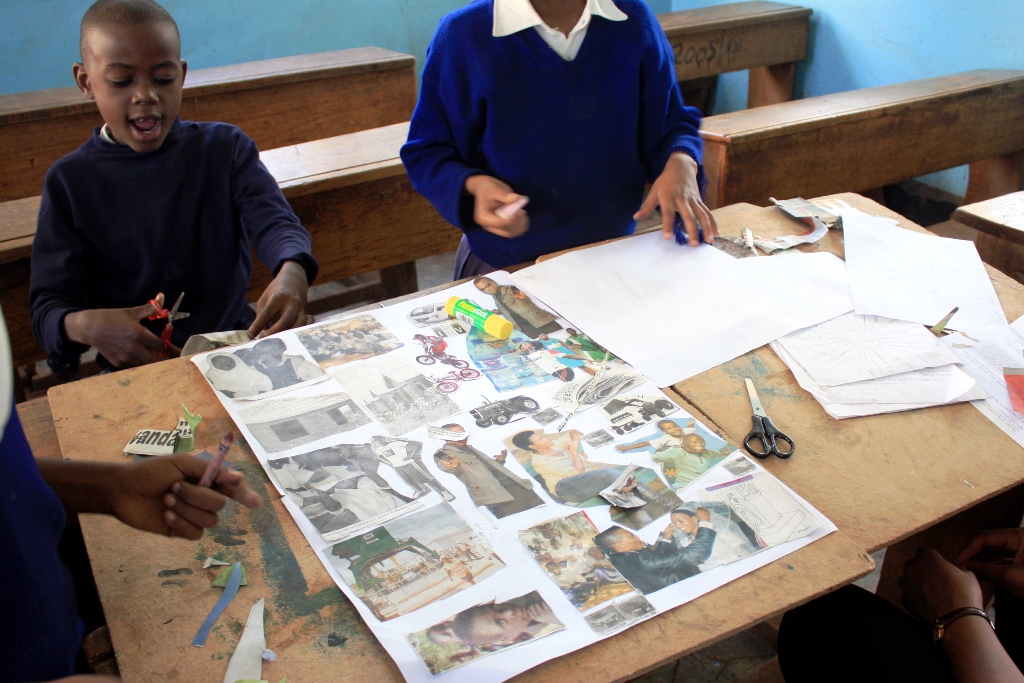
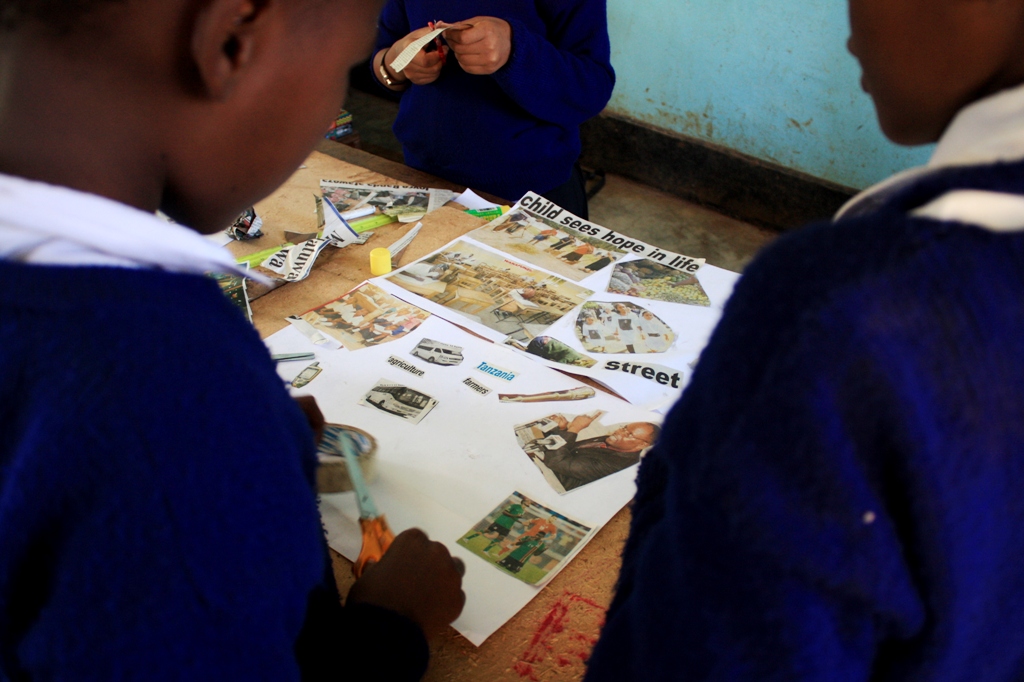
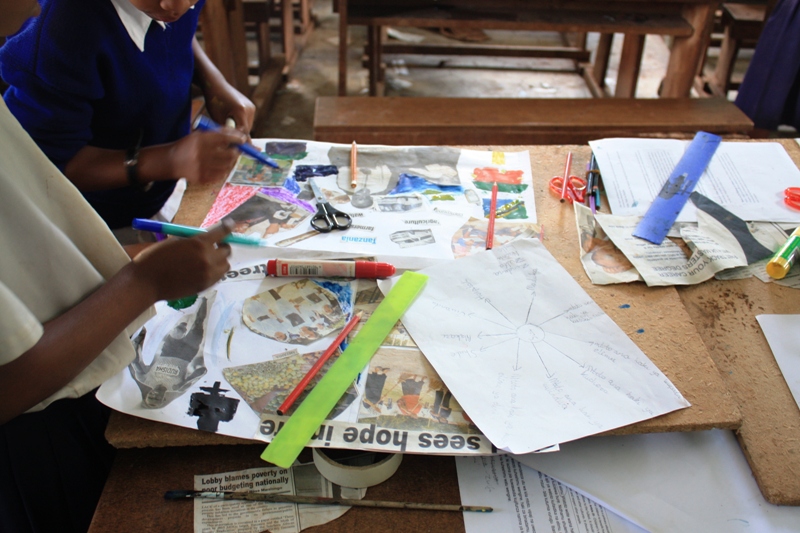
Once we’d finalised our thoughts we put them into creative practice searching lots of local newspapers, selecting images which we though represented our ideas, or made us think about new ones. After an afternoon of thinking, talking, cutting and sticking each group had produced an exiting poster collage of images, paintings and drawings to present to the class and later their community at the show!

Here are some images showing how the artworks developed, Robert Rauschenberg eat your heart out!

Watch this space for the finished artworks and presentations!

1 Comment

Filed under Uncategorized

What’s Right and Who’s Responsible?

We only have a few weeks left of Making Art, Making Me workshops before our May exhibition in Moshi. Over the forthcoming workshops we will be building on previous ideas whilst exploring a new topic, Child Rights. So far we have looked at our project theme Identity through a personal perspective, looking at life experiences and influential factors. Secondly, we explored our community characteristics, and to round it all off we will be learning about children’s global identity through the United Nations Convention on the Rights of the Child (UNCRC 1989)

These rights, 54 to be precise are categorised into themes

  1. The guiding principles; so setting out the terms and definitions

2. Protection Rights; keeping children safe from harm, violence and abuse

3. Participation Rights; ensuring that children have a voice and that it is heard

4. Survival and Development Rights; they have the right to live and develop to their fullest potential.

This convention became legally binding in 1990 and with only two countries left in the world to ratify it signifies a global commitment to the new vision of the child.

After introducing the United Nations (essentially as an international organisation which helps countries talk to each other) we learnt about who, what and why the UNCRC and its relevance to us. Most importantly we learnt about responsibilities, and how the huge global task of making the principles of the UNCRC a reality isn’t just up to the governments. All members of society, including children, must play apart in implementing, protecting and respecting these rights.

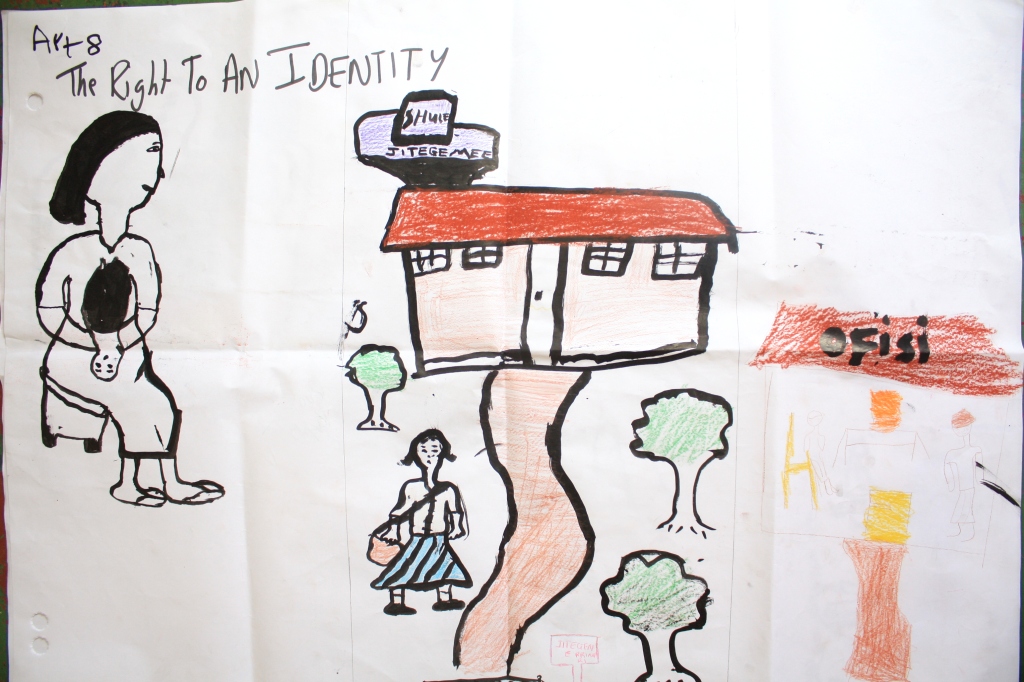
Last week each school took on a specific theme and discussed in their groups how either they, their community or the government can take this on board. They then went on to draw illustrated stories exemplifying these rights and responsibilities in action!

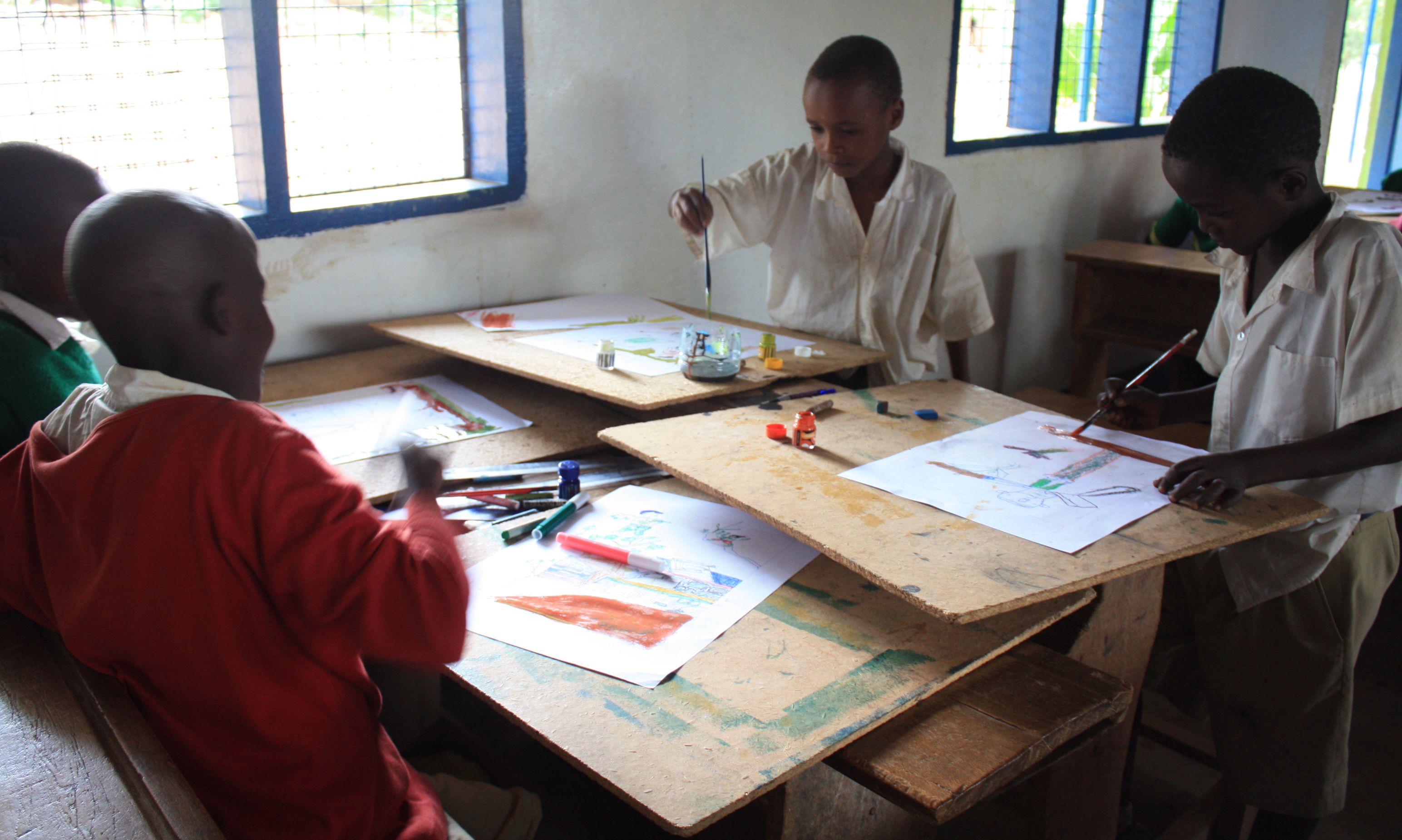
An example of the work produced from Kibo school (Survival and Development) is the above picture of Article 8 – The Right to an Identity. Here a child is born, goes to school and is registered at a local government office. The groups also produced written work about a particular right. When discussing Article 32 (Child Labour): The Government should protect children from work that is dangerous or might harm their health or education, the following statements were produced at Singachini

  • We as children should refuse to do work which is beyond our physical strength
  • We shouldn’t be taken out of school to carry and sell bananas
  • Let us as children refuse to work on coffee plantations for low wages
  • Let us refuse to be taken away (abducted) from schools to work as house girl or boys in the town
  • Parents should refuse this and stop letting people take us away for work
  • Parents should not allow us to go and graze goats

Considering most of the children had never heard of the UN or a human right before, this was a really great response to a very difficult and complicated topic. It was fantastic to see that they were confidently presenting their ideas about rights whilst demonstrating a strong understanding of their responsibilities. We look forward to sharing further artworks and ideas with you soon.

Finally, It was an especially great moment for us to introduce our pupils to our international audience through our analytics page last week. On behalf of the children’s great big beaming smiles, we thank you all for your continuous interest and support. From Iceland to Ethiopia, Canada to Korea we hope you will enjoy the remaining few weeks of Making Art, Making Me, Tanzania.

Asante Sana na Karibu Tena

(Thank you very much, you are always welcome)


Leave a comment

Filed under Communities, The Millenium Development Goals (MDG)